
Jacobin | JR Dünnweller
How India’s biometric ID system turned the promise of social welfare into a tool of mass surveillance and disenfranchisement.
news, new scholarship & more from around the world
How India’s biometric ID system turned the promise of social welfare into a tool of mass surveillance and disenfranchisement.

For more than 80 years, the system of higher education in the United States has partnered with the federal government to produce the best science, technology and scholarship in the world. Competing for federal research support on the basis of merit, universities have produced countless innovations and spurred enormous economic growth.

One-time federal funding was going away and, if the city eventually succeeded in securing long-term funding, officials wanted to find a cheaper location than the Civic. They said the uncertainty forced them to both hold onto the Civic and stop placing people there, to avoid later sending clients back to the street. But internal records reveal more complicated motives. At the same time as the city was halting placements, it rejected a move to a cheaper shelter location, which the main advocate of the plan said would keep the program running without interruption. A top official in the office of Mayor Bruce Harrell, explaining the decision in private, voiced animosity toward the nonprofit leader who pitched the new location and signaled an end to city support for the leader’s program.

The incentive systems that drive academic research underlie nearly every story we write: publication counts for promotion, pressure to produce positive results, hitting certain metrics, and so on. Critics have long called for change in these systems, but support for such change is hard to come by.
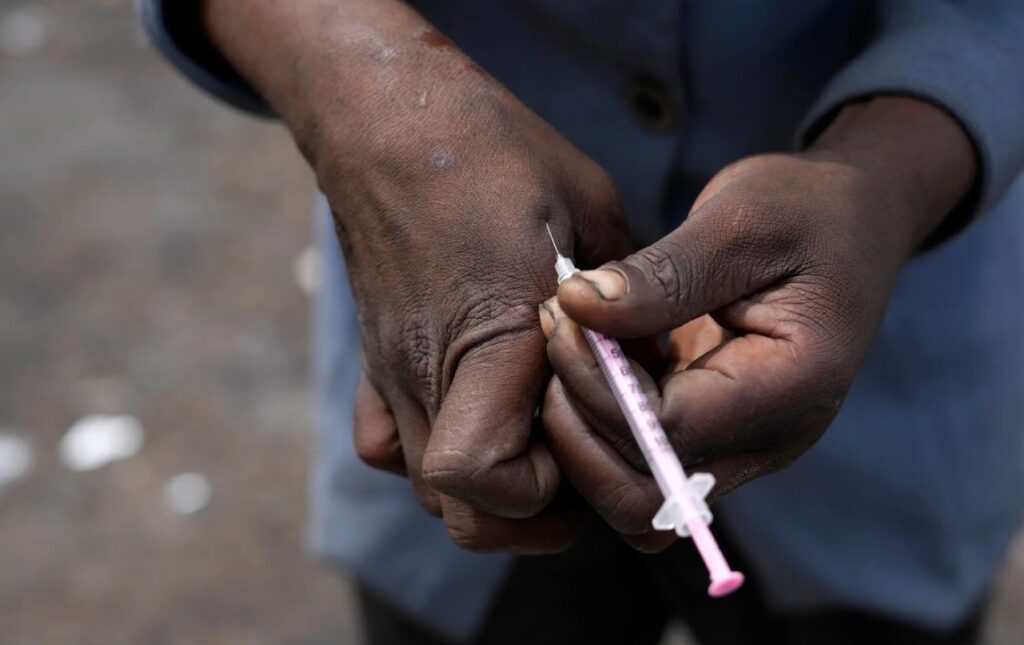
A dangerous drug trend called “bluetoothing,” in which people inject themselves with the blood of other drug users to get a cheap high, is contributing to spikes in H.I.V. rates in infection hot spots around the world. The blood-sharing practice, which is many times riskier than sharing needles, has helped fuel one of the fastest-growing H.I.V. epidemics in Fiji and grown widespread in South Africa, another infection capital, according to public health authorities and researchers. The idea of sharing drug-laced blood is so unthinkably dangerous that for years, experts have questioned how common it is. But even if relatively few people do it, the practice can spread diseases like H.I.V. and hepatitis so quickly that experts say it requires a strong public health response.
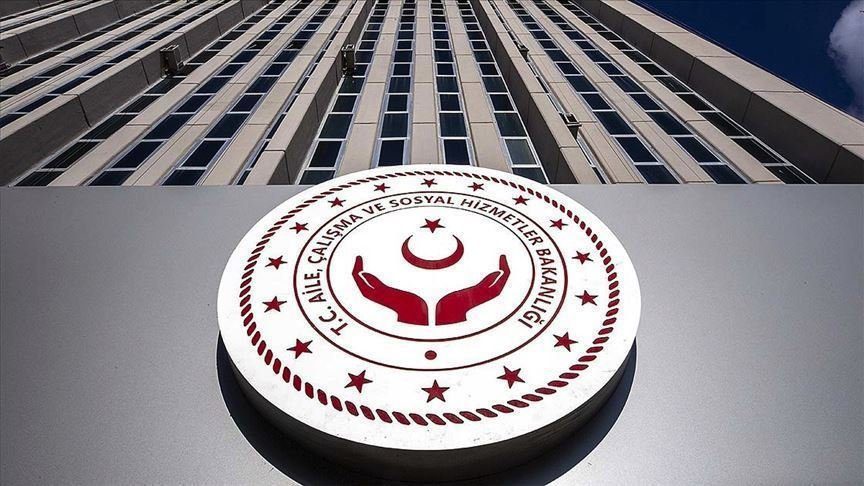
Fmily and Social Services Minister Mahinur Özdemir Göktaş highlighted that the research involved face-to-face interviews with 18,275 women, covering Türkiye’s geographic, demographic and socioeconomic diversity. For the first time, the study also examined digital violence and stalking, providing reliable data on emerging forms of abuse. The methodology aligns with international standards, ensuring the results can serve as a credible reference globally. Above: The Ministry in Ankara

A Tameside council spokesperson said: “Our staff work hard to provide services and support for everyone in our community and it is completely unacceptable for them to face any kind of abuse, threats or harassment or to feel unsafe in their roles. Most of our residents are respectful and it is just a small minority who behave abusively. However there is no excuse for this behaviour and we do not tolerate it. We have a culture in place where we strongly encourage and support staff to report any abuse.” Above: Manchester skyline taken from Scout Moor, Rochdale