Archive for September 2025
Reproductive Health Access for Baby Boomers Over 50: Challenges, Needs, and Resolutions
Paying to pollute? The calculation of environmental indicators in crematorium burden sharing schemes
CfP: No podemos perder la esperanza Intersecting Barriers for Latino/a/x Families: Implications for Social Work Practice and Policy (Submission deadline: 1 March)
COVID-19, a natural experiment. Did it create an opportunity to reduce racial disparities in psychosocial oncology and change how we deliver care?
Intergenerational Transmission of Cannabis Use: Testing Genetic Risk and the Mitigating Influences of Parent Positive Behavior Support in Early Childhood
Health care avoidance as vigilance: A model of maladaptive eating behaviors due to weight stigma in health care, avoidance, and internalization among women.
Fluoridation (USPHS, 1952)
Development and Initial Validation of the Multidimensional Quality of Relationship Scale (M-QoRS)
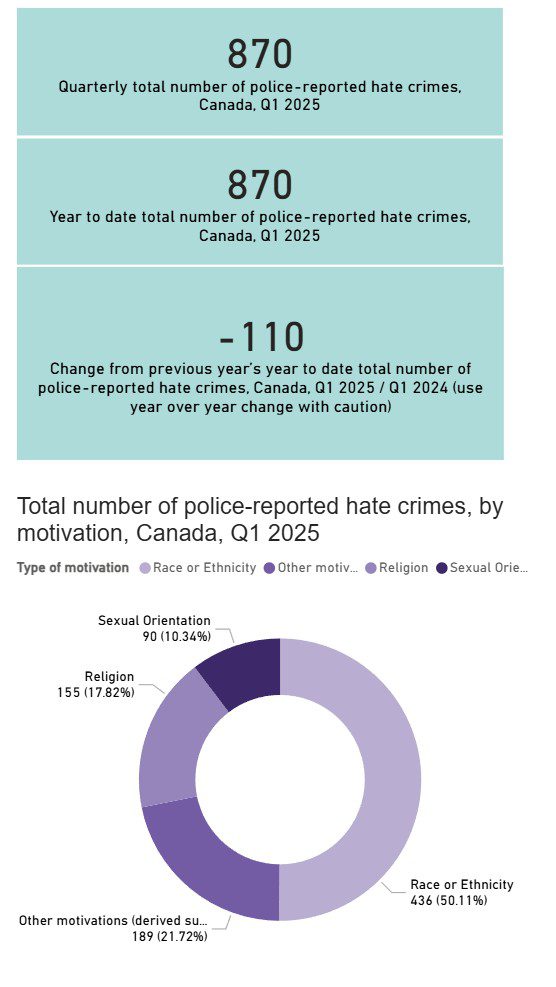
Police-reported hate crime and cybercrime, preliminary quarterly data, first quarter of 2025
Harm reduction measures in a recreational gym user with anabolic androgenic steroid dependence: a case report in the context of current best clinical practice
America in the Deep Fryer

The Baffler | LoC
Corporatized media outlets fixate on the flames, conveniently eliding the systems of detention, occupation, and death that occasioned the protest in the first place.
Association between public posting about alcohol on social networking sites and alcohol outcomes among non-college-attending young adults.
Tooele School District may lose half of its social workers next year due to expired funding

KTVX Salt Lake City | TCSD
For three years, funding for the school district’s social workers came from the AWARE grant, which provides funding for schools to implement mental health programs and allows educational agencies “to build or expand their capacity to advance wellness and resiliency in education.” Unfortunately, the AWARE grant is a three-year program and is reportedly set to expire next year.
Addressing authorship dilemmas in scholarly publications: a solution-oriented study
School readiness profiles: Does the quality of preschool education matter?
Effect of alcohol on the speed of shifting endogenous and exogenous attention.
Medicaid Demonstrations: Information on Administrative Spending for Georgia Work Requirements
Development of Non-Opioid Analgesics for Chronic Pain: Draft Guidance for Industry
Validity evidence and clinical utility of the Oviedo Leisure Activities Scale (OLAS-70) for measuring substance-free and substance-related reinforcement.
Pay Up! Conservative Myths About Tax Cuts for the Rich
Gender differences regarding interest in opioid agonist treatment with hydromorphone: a cross-sectional study of syringe service program participants
Affordance management and stereotypes about schizophrenia, sex, and age.
Predictors of HIV and STI testing among sexually active Black adolescents: Results from YRBSS 2019–2021
Exploring the Link Between Dating Apps and Sexual Assault
Ketamine as an emerging strategy to combat the fentanyl crisis
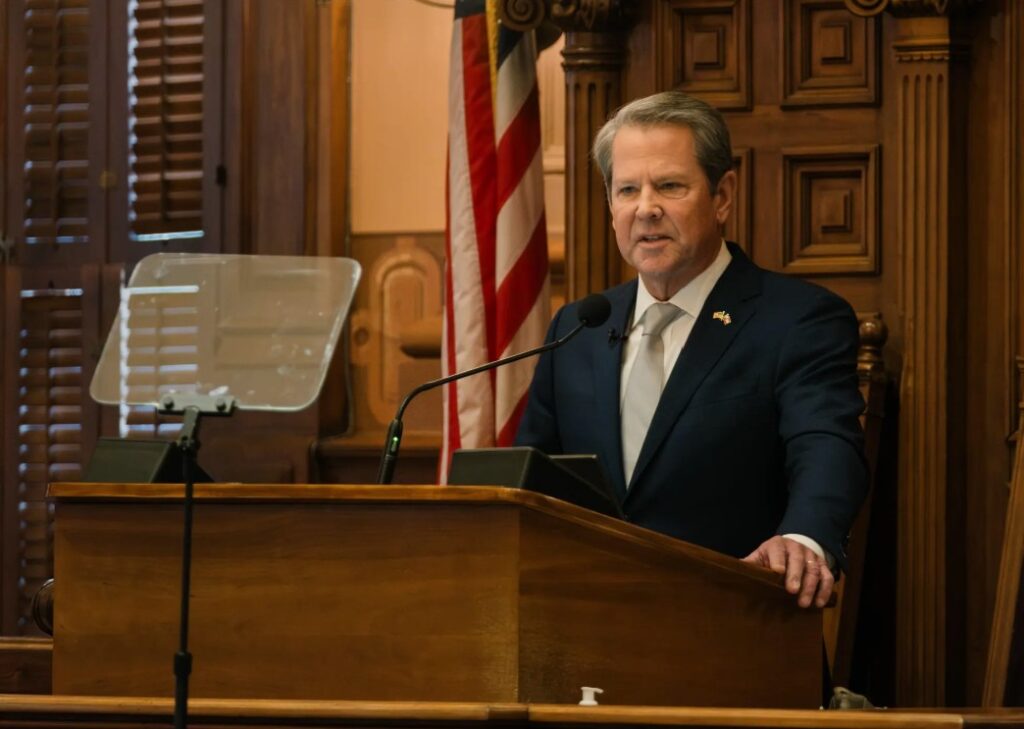
Georgia’s Medicaid work requirement program spent twice as much on administrative costs as on health care, GAO says
ProPublica | J Taylor/The Current GA/Catchlight Local
The GAO analysis, which does not include all the Pathways administrative expenses detailed by the news outlets, shows that as of April the Georgia program had spent $54.2 million on administrative costs since 2021, compared to $26.1 million spent on health care costs. Nearly 90% of administrative expenditures came from the federal budget, the report concluded, meaning that Georgia’s experiment is being funded by taxpayers around the country. Federal spending will likely increase given that the Centers for Medicare and Medicaid Services has approved $6 million more in administrative costs not reflected in this report because it was published before the state submitted invoices.
Predicting children and adolescents at high risk of poor health‑related quality of life using machine learning methods
Latino Families Flourishing
A scoping review of universal school-based resilience programs for adolescents.
The Far Right Is Winning In Austria—Even In Opposition
Development of a Method for Handling Doubly-Censored Data in a Latent Growth Curve Modeling Framework
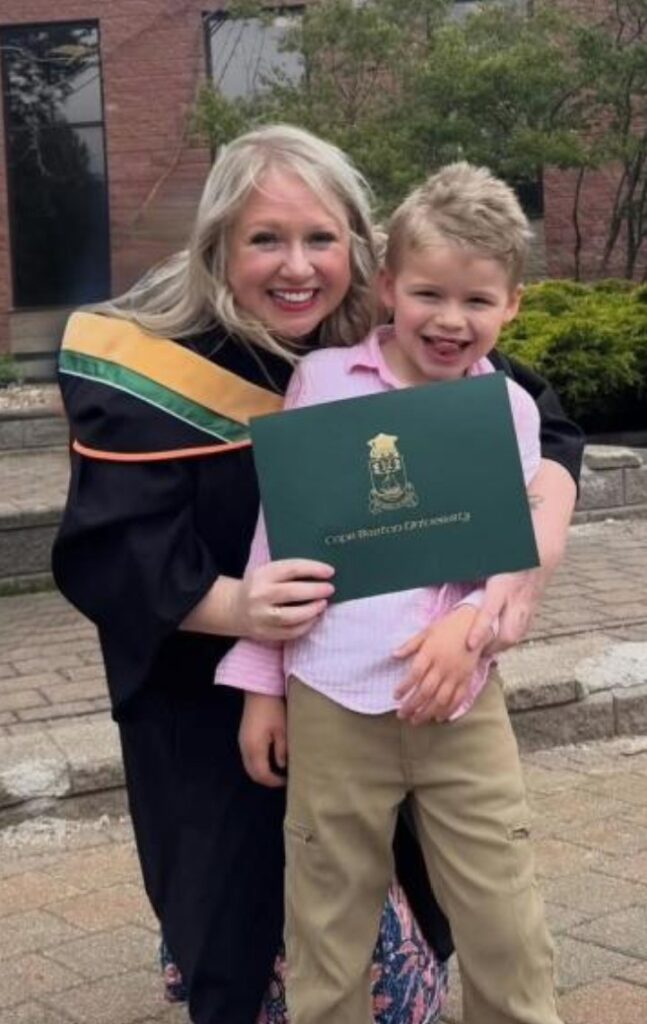
Building hope and resilience: Keshia MacDonald’s path to social work
nova scotia health
A few years ago, Keshia MacDonald took a leap of faith and enrolled in the inaugural class in the Bachelor of Social Work (BSW) program at Cape Breton University (CBU).
Smoking waterpipe, cigarette, and heart disease: a cross-sectional analysis of baseline data from the Kong Cohort Study in the South of Iran
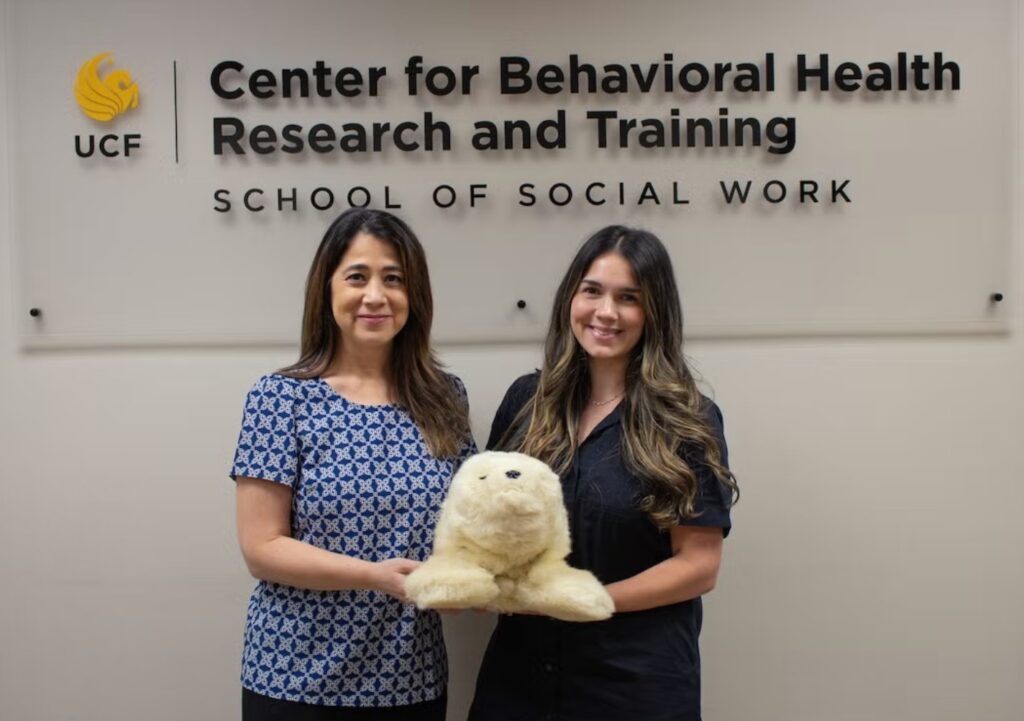
Social work researchers to study how animal robots can help older adults
UCF | J Keglovic
Professor Kim Gryglewicz (left) and Associate Professor Susanny Beltran (right) hold Sully the Seal, the College of Health Professions and Sciences’ first PARO therapeutic robot, being studied to help older adults with dementia feel less lonely and more connected.
Persistent traditions and fresh winds: reflecting on sexuality, masculinity, and interventions for change with Dutch fraternity men
Contribution of ethnicity and deprivation to paediatric critical care outcomes in the UK, 2008–21: a national retrospective cohort study
Evidence of validity of the adapted version of the Attribution Questionnaire for Drug dependence (AQ-D).
Social Position and Migrant Networks in International Migration from Africa to Europe
Effects of cognitive flexibility on sociocultural adaptation: A moderated parallel mediation SEM in China’s international students
Visual memories of living loved ones during life-threatening incidents
Post-traumatic stress disorder in people with intellectual disabilities
Neuroprotective effects of statins and cyclodextrins: review and potential role in dementia treatment
Muslim masculinities in Bangladeshi and Malaysian Anglophone fiction: an empirical framework
The impacts of CCTV on victim-survivors of domestic and family violence
Factor structure and trends in SF-12v2 health-related quality of life scores among pre-and post-pandemic samples in Thailand: confirmatory factor analysis and Rasch analysis
Governor Moore, Arnold Ventures Announce $20 Million In Grant Awards To Support Programs That Help Maryland Youth Thrive
Long-term trends in the burden of breast cancer in China over three decades: a joinpoint regression and age-period-cohort analysis based on Global Burden of Disease 2021
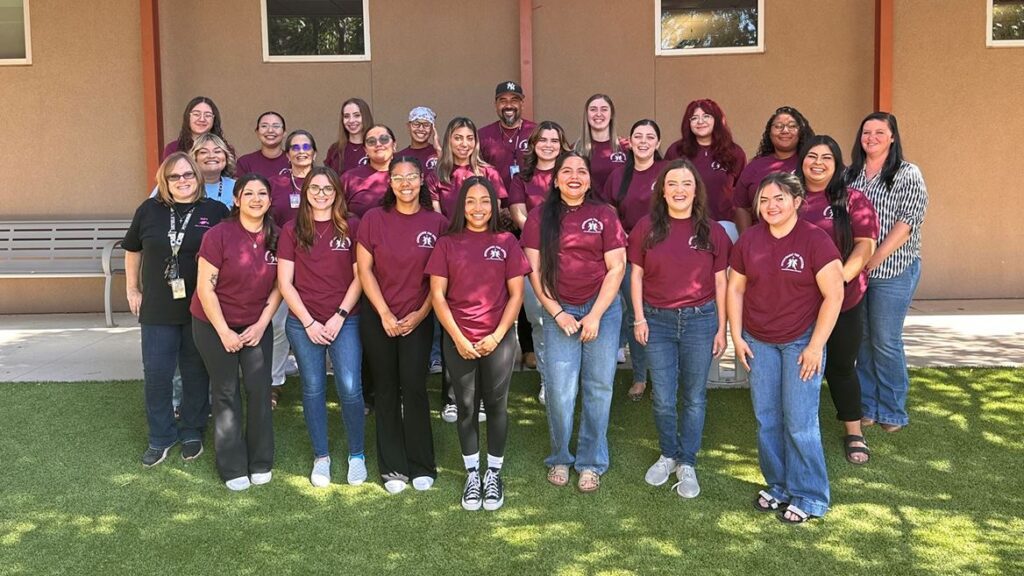
NMSU social work students help curb chronic absenteeism in Las Cruces
NMSU Newsroom | K Vigil
Public school officials in Las Cruces have found success in curbing chronic absenteeism through a program partially staffed with social work students from New Mexico State University. The partnership between NMSU’s School of Social Work and the Las Cruces Public Schools began in 2021 under the Attendance for Success program. As part of the program, NMSU students analyze and monitor daily attendance data and work directly with families and students to identify root causes of chronic absences.