Archive for 2020
Trends in suicide death risk in transgender people: results from the Amsterdam Cohort of Gender Dysphoria study (1972‐2017)
Green Hope: Perspectives on Cannabis from People who Use Opioids
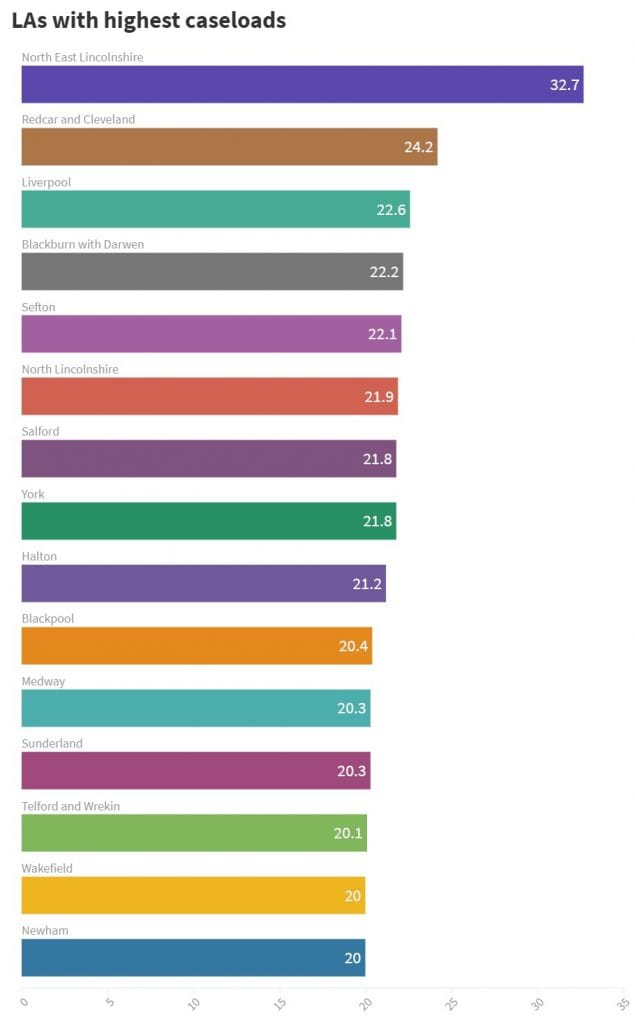
Average social work caseloads range from 12 to 33 between councils, according to official figures

Nutritional status of school age children in Abakaliki metropolis, Ebonyi State, Nigeria
Designs for adding a treatment arm to an ongoing clinical trial
NSW Health Services Aboriginal Cultural Engagement Self Assessment Tool
Toward identifying reproducible brain signatures of obsessive-compulsive profiles: rationale and methods for a new global initiative
Measuring Life Satisfaction among Psychiatric Patients: Measurement Invariance and Validity of the Satisfaction with Life Scale
Immigrant adolescents’ roots and dreams: Perceived mismatches between ethnic identities and aspirational selves predict engagement
Maternal coffee intake and the risk of bleeding in early pregnancy: a cross-sectional analysis
How To Cope With Pain

The Diverse Role of Women in Shaping Hong Kong’s Landscape of Gentrification
2018/19 Annual review of Oranga Tamariki – Ministry for Children
Can rapport building strategies, age, and question type influence preschoolers’ disclosures of adult wrongdoing?
Withdrawing treatment from patients with prolonged disorders of consciousness: the wrong answer is what the wrong question begets
Childcare protocols between Ofsted and other organisations
Factors Associated with Help-Seeking among Women Affected by Intimate Partner Violence in the Occupied Palestinian Territories
Multidrug-Resistant Candida auris Concern Stems From New York Cases
The Role of Executive Functions in Socioeconomic Attainment Gaps: Results From a Randomized Controlled Trial
Risk of dementia in bipolar disorder and the interplay of lithium: a systematic review and meta‐analyses
Abortion care – NICE guideline [NG140]
Prevalence and Recent Trends in Exposure to Night Shiftwork in Canada
Monitoring Kids: How Much Is Enough?
Homeless Teenager interview-David
Diversity of adverse childhood experiences among adolescent mothers and the intergenerational transmission of risk to children’s behavior problems
Planning and Public Health professionals’ experiences of using the planning system to regulate hot food takeaway outlets in England: A qualitative study
Enabling Research in Care Homes 2020
The implications of late-life cannabis use on brain health: A mapping review and implications for future research
#Loveyourbody: The effect of body positive Instagram captions on women’s body image
Does Interlocal Competition Drive Cooperation in Local Economic Development Policies? Evidence on Interlocal Business Parks in Germany
An observational study of physical, cognitive and social activities in rehabilitation inpatients
Formal social participation protects physical health through enhanced mental health: A longitudinal mediation analysis using three consecutive waves of the Survey of Health, Ageing and Retirement in Europe (SHARE)
Precarious Work Schedules and Population Health
Equivalent gambling warning labels are perceived differently
Public hygiene and funeral rituals during the Risorgimento: mummies and ashes

Starting in 1865, regulations pursuant to public hygiene issued by the Unitary Government provided for administrative and political control of the funerary practice. Specifically, they regulated the management of cemeteries and the burials, increasingly drawing the funeral rituals from the control of the Church and of Catholicism, therefore secularising death for the construction of a new political religion. Hygiene became fundamental in order to promulgate cremation as a system of preserving the integrity of the bodies, preserving the ashes as a tangible and indestructible product of body matter and as a measure to protect public health by eliminating the risk of miasmatic pollution of the air caused by the cadaveric fumes. In the early 1870s, the practice of cremation began to spread, especially in the territories of Lombardy-Veneto and Savoy, as an expression of the progressive policies of the new Italian state, antagonistic to the old Catholic religious traditions. This paper intends to highlight the key aspects of the political significance that the cremation took on during the Risorgimento period, while also illustrating the methods adopted by important authors from that time period regarding incineration techniques and cremation methods.

Need Satisfaction as a Mediator of Associations between Interparental Relationship Dimensions and Autonomy Supportive Parenting: A Weekly Diary Study
Clarifying workforce flexibility from a division of labor perspective: a mixed methods study of an emergency department team
Evaluating research investment and impact at a regional Australian Hospital and Health Service: a programme theory and conceptual framework
Assessment of the psychometric properties and refinement of the Health and Self-Management in Diabetes Questionnaire (HASMID)
Obituary for Dr. Peter Salama
The Crying Book

Peer Victimization, Teacher Unfairness, and Adolescent Life Satisfaction: The Mediating Roles of Sense of Belonging to School and Schoolwork-Related Anxiety
Warning: Hegemonic Masculinity May Not Matter as Much as You Think for Confidant Patterns among Older Men
Perceived Parental Rearing in Paediatric Obsessive–Compulsive Disorder: Examining the Factor Structure of the EMBU Child and Parent Versions and Associations with OCD Symptoms
Anxiety Sensitivity Among Smokers During a Reduction Attempt: The Impact of Hatha Yoga
Chronic Condition Self-Service: An Idea Whose Time Has Come?
Edible cannabis [Practice]
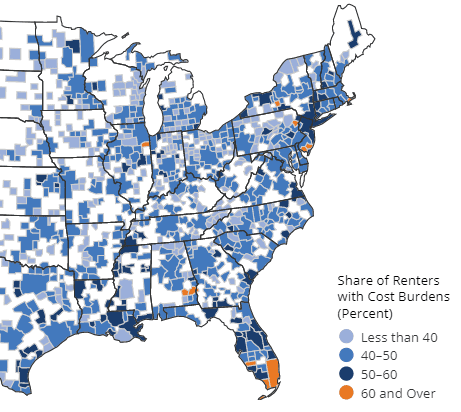
Many renters are burdened by housing costs (interactive)