journal article abstracts
- Life stories and arts in child welfare: enriching communication
- Developing a Theoretical Framework for Complex Community-Based Interventions
- Choosing the right mix: lessons on culturally relevant treatment from the evaluation of the Drug and Alcohol Multicultural Education Centre's Counselling Service
- Global social policy studies: Conceptual and analytical reflections
- Combining QCA and Process Tracing in Set-Theoretic Multi-Method Research
- The Time Has Come for Embracing Interdisciplinary Perspectives: Some Reflections
open access journal articles
- Human resource governance: what does governance mean for the health workforce in low- and middle-income countries?
- Can community level interventions have an impact on equity and utilization of maternal health care? Evidence from rural Bangladesh
- Adolescent dietary patterns in Fiji and their relationships with standardized body mass index
- The impact of socioeconomic status on changes in the general and mental health of women over time: evidence from a longitudinal study of Australian women
- Genetic moderation of the association between regulatory focus and reward responsiveness: a proof-of-concept study
monographs & edited collections
When retrieving a quote from memory, evaluating a testimony’s truthfulness, or deciding which products to buy, people experience immediate feelings of ease or difficulty, of fluency or disfluency. Such "experiences of thinking" occur with every cognitive process, including perceiving, processing, storing, and retrieving information, and they have been the defining element of a vibrant field of scientific inquiry during the last four decades. This book brings together the latest research on how such experiences of thinking influence cognition and behavior.
infographics
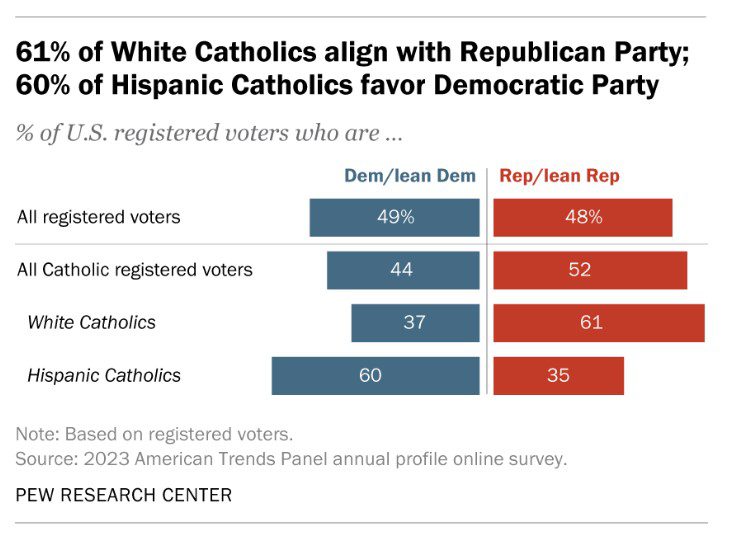
EUROSTAT, Council of Europe, U.S. National Center for Health Statistics, national statistical offices.
history
The concept of evidence has become central in Western healthcare systems; however, few investigations have studied how the shift toward specific definitions of evidence actually occurred in practice. This paper examines a historical case in psychiatry where the debate about how to define evidence was of central importance to nosological decision making.
grey literature
- Preparing and Supporting Foster Parents Who Adopt
- Older Australians and the take-up of new technologies
- Measuring Up: Aspirations for Economic Security in the 21st Century
- Voters with Disabilities: Challenges to Voting Accessibility, GAO-13-538SP
- Guidance: Attributing the costs of health and social care research
clinical trials
- Reducing the risk of depression and suicide due to economic crisis - Development of support to reduce the risk of depression and suicide linked with job loss or financial difficulties
- Mental Health Service Users' and Carers' Views of Stratified Medicine for Treatment Resistant Schizophrenia