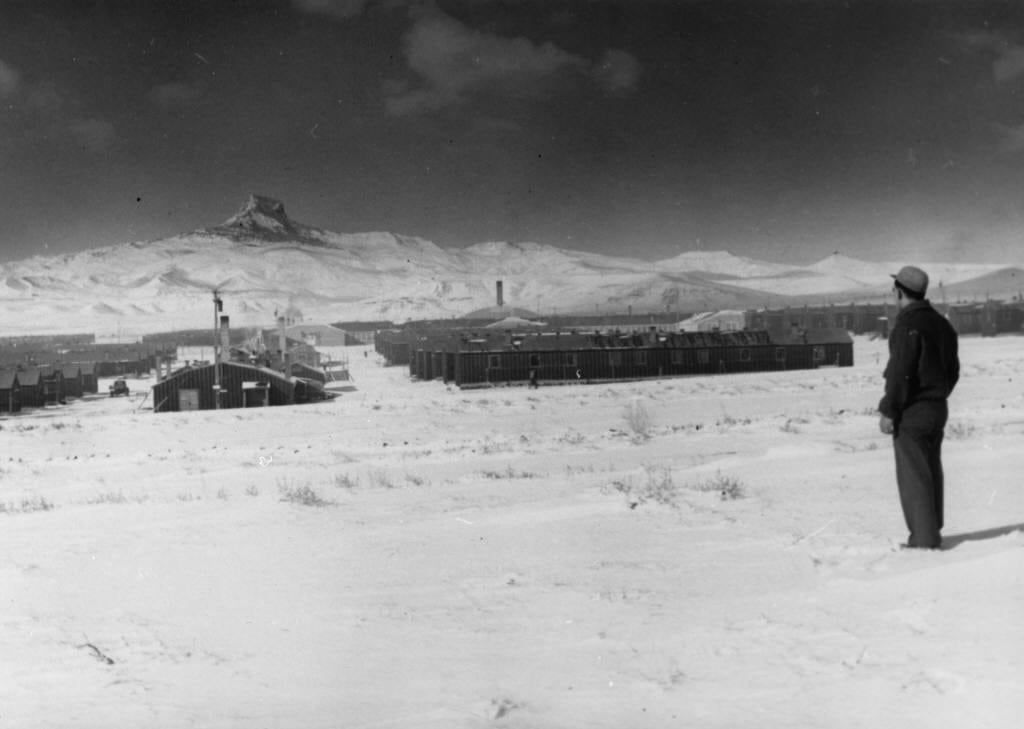
Frank Hirahara in Heart Mountain Internment Camp, Wyoming (1942)
 calisphere | Anaheim Public Library
Frank Hirahara standing in snow in foreground at far right, with the many structures of the Heart Mountain Internment Camp spread across the middle, and Heart Mountain in the background.
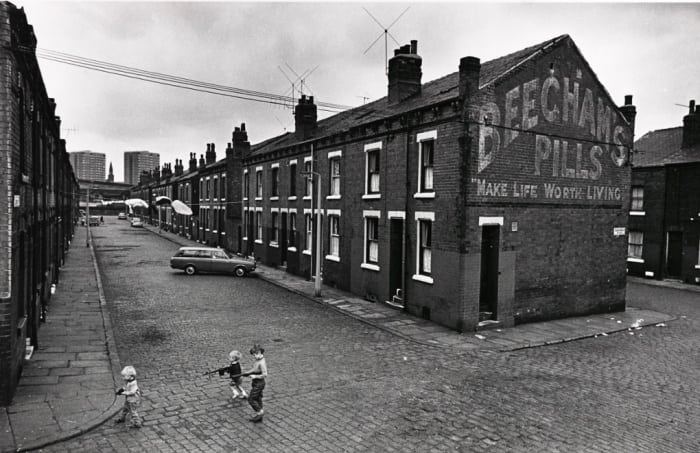
Below the poverty line: slum Britain in the 1960s
 Guardina | N Hedges/National Media Museum
Terrace of back-to-back houses, Leeds, West Yorkshire, July 1970.
When women disappear from the labour market: occupational status of Dutch women at marriage in a modernizing society, 1865–1922
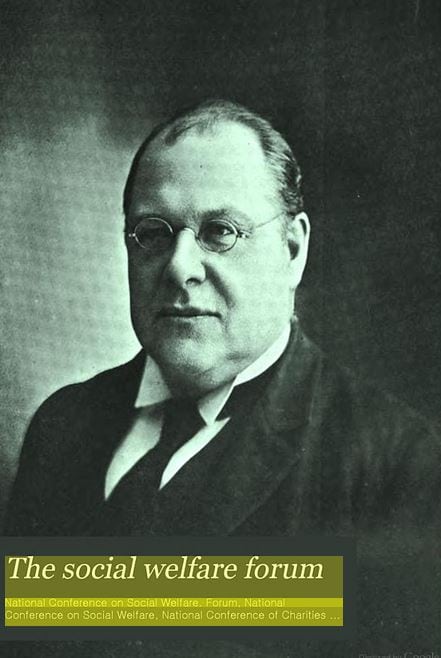
The Social Welfare Forum: Official Proceedings [of The] Annual Meeting, Volume 24 (1898)
Policing the Factory: Theft, Private Policing and the Law in Modern England
Placement Practices of the Kingston (Ontario) Orphans’ Home, 1857-1876
Saul Alinsky: The founding father of community organizing
 History of Social Work
‘Beauty isn’t all a matter of looking glamorous’: attitudes to glamour and beauty in 1950s women’s magazines
Norman Geschwind and the Use of History in the (Re)Birth of Behavioral Neurology
Barbara Wootton (1897–1988): pioneering social scientist, feminist and policymaker
From Camp Life to Suburbia: Aboriginal Housing in Perth
‘I am just the man for Upsetting you Bloody Bobbies’: popular animosity towards the police in late nineteenth-century Leeds
Gender, Race and Family in Nineteenth Century America: From Northern Woman to Plantation Mistress

Divorce in Medieval England: from one to two persons in law; SARA M. BUTLER
Sympathetic insanity

‘The world is full of big bad wolves’: investigating the experimental therapeutic spaces of R.D. Laing and Aaron Esterson
Asylum Architecture: Corridor Plan
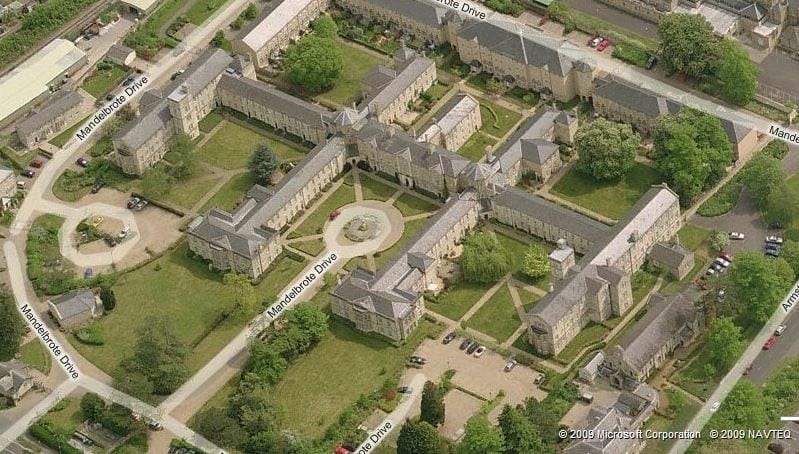
Littlemore Asylum, Oxford
From the Netherlands to Japan: communicating psychiatric practice in the 1830s

History of Changes to the Minimum Wage Law
Unit accounting in social work
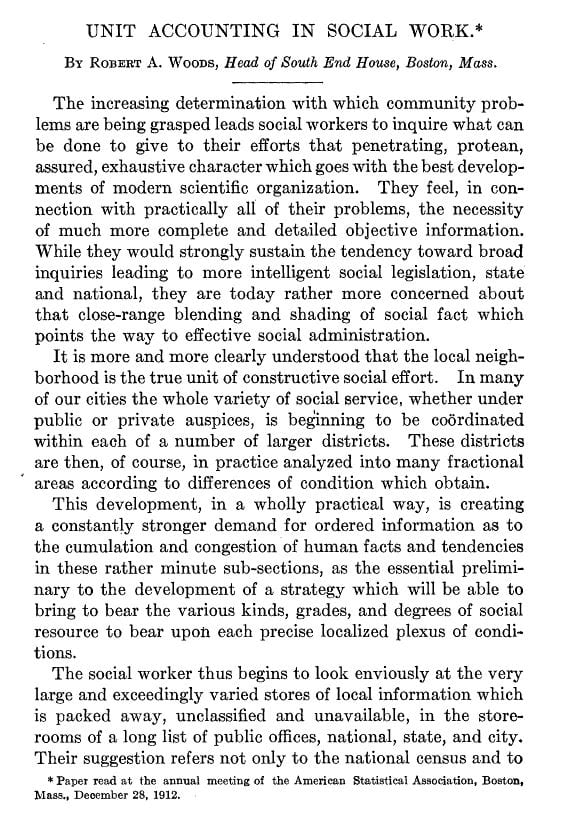
Publications of the American Statistical Association. Vol. 13, No. 101, Mar., 1913
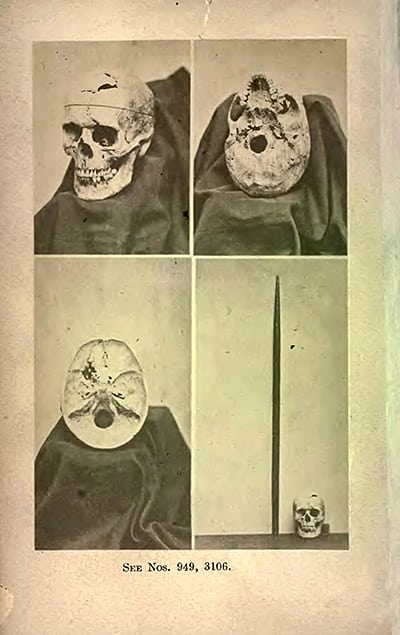
Slate: Phineas Gage, Neuroscience’s Most Famous Patient
Thumbnail
Migration, Health and Ethnicity in the Modern World

Dismissal of strikers and industrial disputes: the 1985–1987 strike and mass sackings at Silentnight
‘The perfect equality of all persons before the law’: the Personal Rights Association and the discourse of civil rights in Britain, 1871–1885
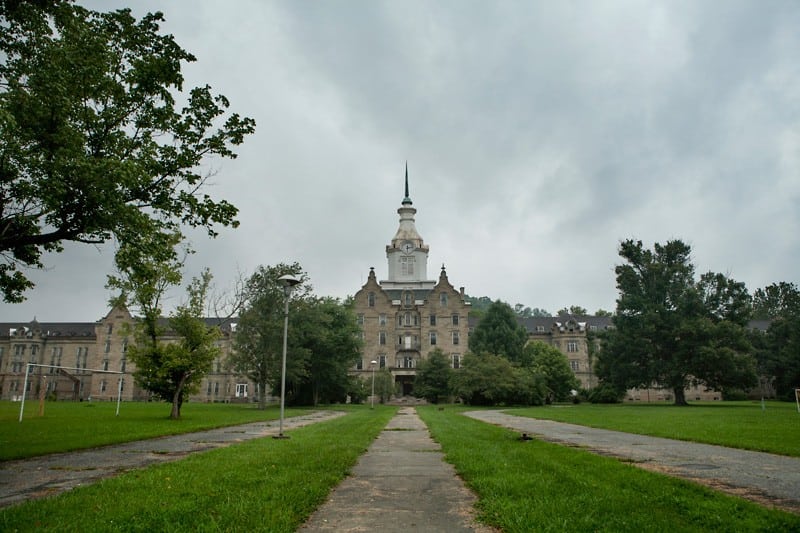
Weston State Hospital
 T Kirsch
Therapeutic Landscapes: A History of English Hospital Gardens since 1800
The Independent Workers Union: class, nation and oppositional labour movements in Ireland from 1900 to the Celtic Tiger
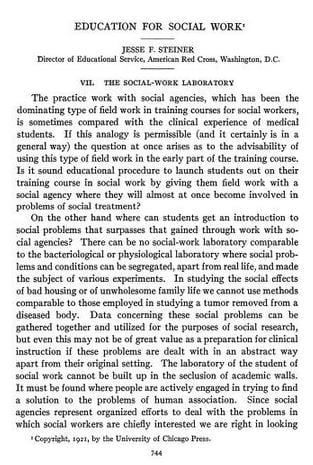
Education for Social Work (May 1, 1921)
Hampshire County Asylum, Park Prewitt
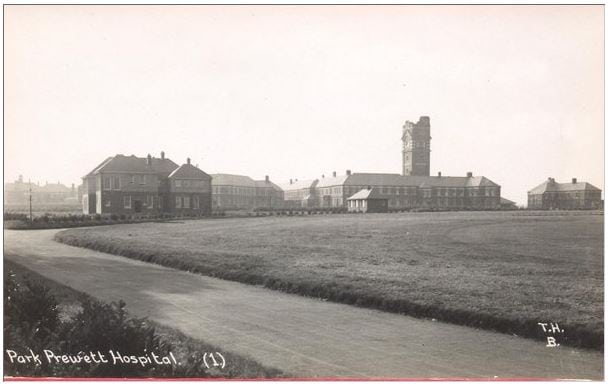
Park Prewett Asylum (Park Prewett Hospital), in Basingstoke, was the second county asylum of Hampshire, it was proposed in 1898 to relieve the overcrowding of Knowle asylum in Fareham. Building work was started in 1910 but the asylum was not officially opened till 1921 having suffered a delay due to World War One when the Canadian military used it as the Number Four Canadian General Hospital. The asylum was again affected by World War, when in 1939 the patients were moved out so it could be used an an emergency military hospital for casualties from Europe.
Front porch politics: the forgotten heyday of American activism in the 1970s and 1980s
Letters of love and loss in a time of revolution
Demonic possession and the historical construction of melancholy and hysteria
The Children’s Bureau Legacy: Ensuring the Right to Childhood
Social Work Scotland: A brief history

The Association of Directors of Social Work (ADSW) was constituted in October 1969 in response to the Social Work (Scotland) Act 1968, an immensely important landmark in Scottish social work history, which in turn was influenced by the Kilbrandon report of 1964.
Mental Hygiene and Child Guidance in Post-war Greece: The Case of the Centre for Mental Health and Research, 1956–1970

Labor Day
Labor Day, the first Monday in September, is a creation of the labor movement and is dedicated to the social and economic achievements of American workers. It constitutes a yearly national tribute to the contributions workers have made to the strength, prosperity, and well-being of our country.
The Voting Rights Act of 1965: Background and Overview

The Voting Rights Act is a landmark federal law enacted in 1965 to remove race-based
restrictions on voting. It is perhaps the country’s most important voting rights law, with a history
that dates to the Civil War. After that conflict ended, a number of constitutional amendments were
adopted that addressed the particular circumstances of freed slaves, including the Fifteenth
Amendment that guaranteed the right to vote for all U.S. citizens regardless of “race, color, or
previous condition of servitude.”
The emergence and development of psychopathy
Women Worthies and Feminist Argument in Eighteenth-Century Britain
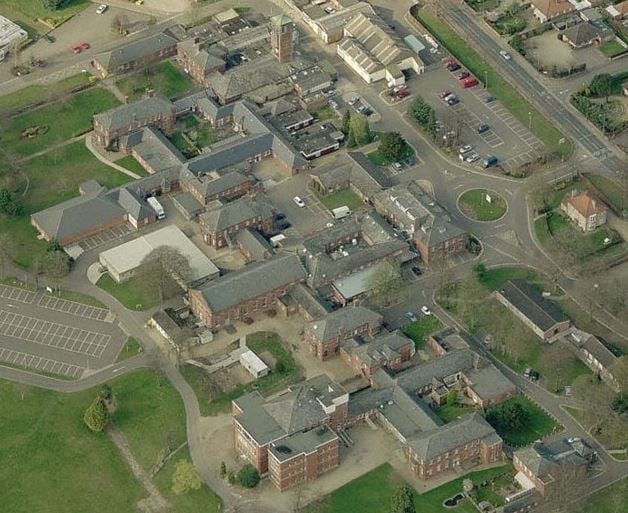
Pavilion Plan
 thetimechamber.co.uk
Hellesdon Hospital, Norwich. The pavilion plan consisted of a long linear corridor extending either side of the administration block, the ward blocks were orientated perpendicular to the corridor and attached at their ends; the stores/water tower could located centrally or remotely.
From paranoia querulans to vexatious litigants: a short study on madness between psychiatry and the law. Part 1
In peace and freedom: my journey in Selma
The Roots of Rough Justice: Origins of American Lynching

The Ebb and Flow of the Foreign-Born: Changing Conditions for Collective Identities
Quantifying the quiet epidemic: Diagnosing dementia in late 20th-century Britain
Voluntarism in early psychology: The case of Hermann von Helmholtz.
Prophecy and Progress: Christianity and Dissent in Modern America

Women in a changing economy: the misleading tale of participation rates in a historical perspective
Corridor Plan
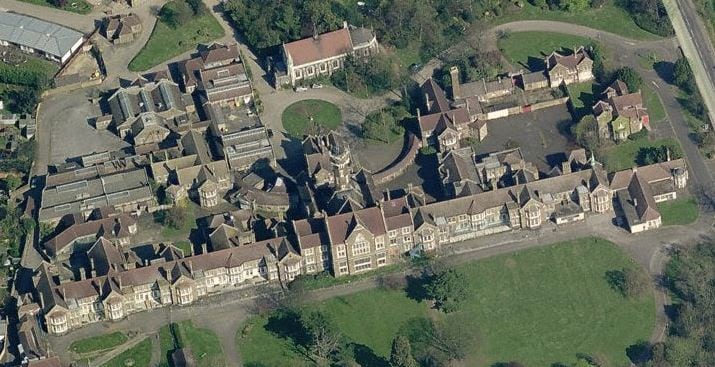 thetimechamber.co.uk/
City of London Asylum, Stone House, Kent. The Corridor Plan was a long running style of Asylum layout primarily used between 1830 and 1890; they are laid out with the administration block at the centre of the site with the wards flanking it on either side.