Archive for March 2025
Perversions of the Market: Sadism, Masochism, and the Culture of Capitalism

Patterns of Early Risk Factors for Juvenile Justice Outcomes in Youth with High-Incidence Disabilities
Anti-LGBT Victimization in the United States: Results from the National Crime Victimization Survey (2022-2023)
Validation of a transdiagnostic psychopathology ecological momentary assessment protocol in a university student sample.
Who, how, and when? New perspectives on longstanding issues in the study of externalizing psychopathology.
Confronting the dialectic between quality and access in early psychosis care in the United States: Finding the synthesis by leveraging psychological expertise.
Prescription of essential medication during the final hospitalization of patients with heart failure or cancer
The reporting quality and methodological quality of dynamic prediction models for cancer prognosis
Addressing challenges with Matching-Adjusted Indirect Comparisons to demonstrate the comparative effectiveness of entrectinib in metastatic ROS-1 positive Non-Small Cell Lung Cancer
Handling missing values in patient-reported outcome data in the presence of intercurrent events
Handling of missing component information for common composite score outcomes used in axial spondyloarthritis research when complete-case analysis is unbiased
Moral distress among maternal-fetal medicine fellows: a national survey study
Correction: Evaluating the understanding of the ethical and moral challenges of Big Data and AI among Jordanian medical students, physicians in training, and senior practitioners: a cross-sectional study
Status of scientific research integrity knowledge in dental undergraduates from 34 universities in China
Effect of healthcare professionals’ perceived occupational stigma on organizational citizenship behavior: a moral cleansing perspective
Cost-effectiveness and budget impact analysis of rivaroxaban with or without aspirin compared to aspirin alone in patients with coronary and peripheral artery diseases in Iran
Why downsizing may increase sickness absence: longitudinal fixed effects analyses of the importance of the work environment
Factors influencing clinician performance post-electronic health record implementation: an empirical analysis in Moroccan hospitals
Women’s healthcare access: assessing the household, logistic and facility-level barriers in India
Modulation of NLRP3 Inflammasome Activation by QYHT Decoction: Implications for the Treatment of Erectile Dysfunction in Hyperuricemia
Association between oral health and physio-cognitive decline syndrome of older adults in China and its sex differences: a cross-sectional study
Concentration of Selected Serum Trace Elements in Male Patients With Diabetic Erectile Dysfunction: A Case–Control Study
Maintaining trust and seeking support: a qualitative study of family caregivers’ experiences interacting with health care services for home-dwelling older people with mental health problems
Professional competencies in social work concerned with alcohol use problems in Lithuania: Moving beyond ‘know-how’
Drug prescription patterns and compliance with WHO and beers criteria in older patients
Watery reflections: Visualising interactions with wai in early childhood education centres in Aotearoa – New Zealand
Multicomponent intervention to tailor prescriptions to patients with dementia in an intermediate care hospital: pre-post quasi experimental study
Practising reflexivity: Ethico-epistemological and political practice?
Andrew Mercer Reformatory
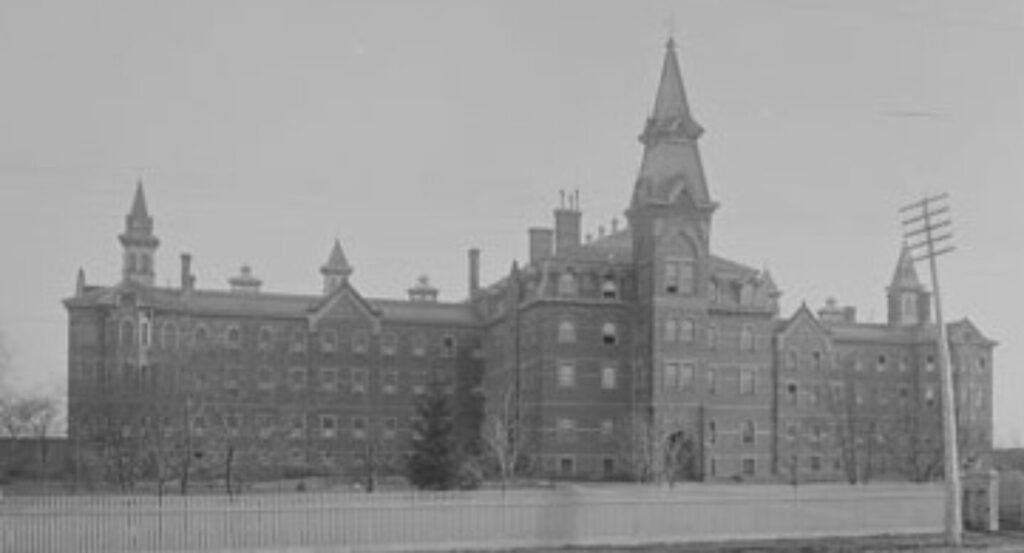
Library and Archives Canada
The Andrew Mercer Reformatory for Females (1880-1969) and Industrial Refuge for Girls (1880-1905) was the first all women’s prison in Canada. For nearly a century, this house of horrors saw over 20,000 women walk through its doors. Philanthropic groups, religious representatives, social work organizations, and public health organizations colluded with provincial and federal legal systems to remove from society, through incarceration, women and girls deemed “morally and socially” unacceptable. Above: The Andrew Mercer Reformatory in Toronto
Disaster Distress Helpline
Training guidelines and competencies for serious mental illness (SMI) psychology.
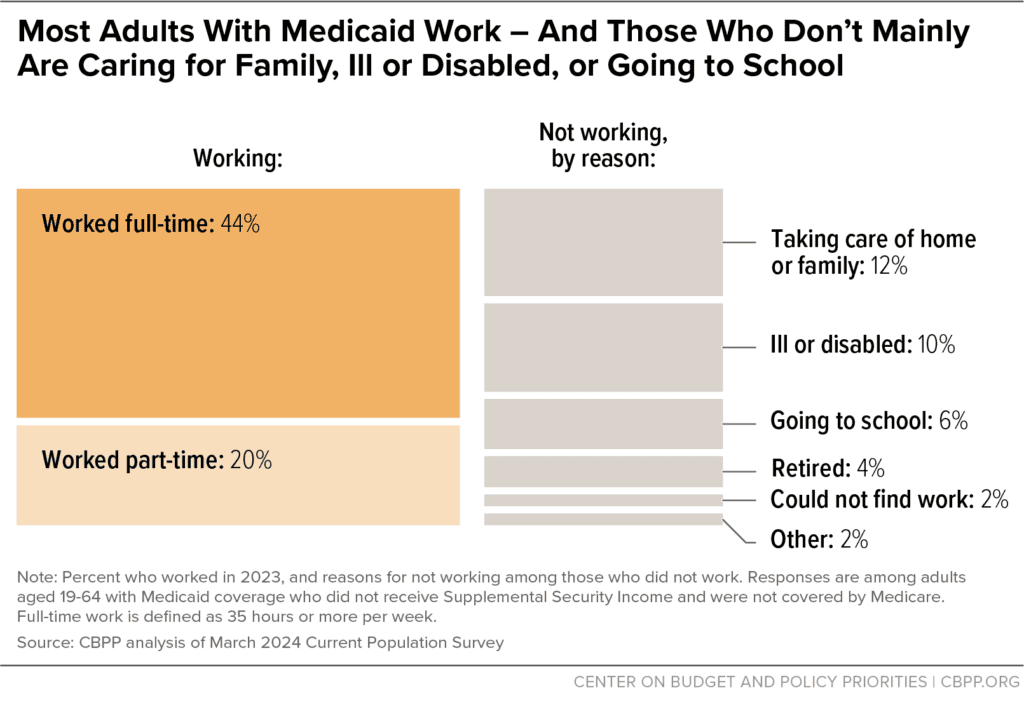
Taking Away People’s Health Coverage and Food Assistance Will Increase Hardship, Not Employment
For Dear Life: Art, Medicine, and Disability