 Social Welfare History Project |
Race and Real Estate: Conflict and Cooperation in Harlem, 1890-1920
Racial segregation in postbellum Southern cities: The case of Washington, D.C.

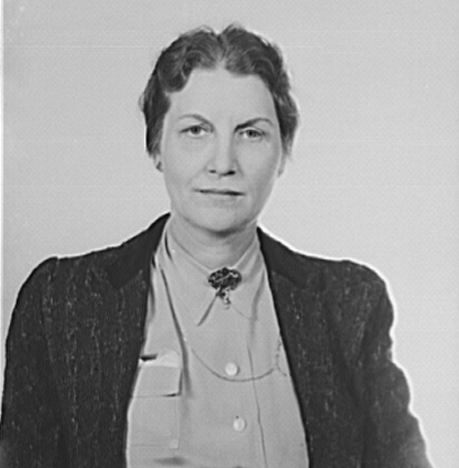
Loula Friend Dunn (1896-1977 ): Child Welfare Worker, Public Welfare Administrator and Executive Director of the American Public Welfare Association
 Social Welfare History Project | Library of Congress
Miss Loula Dunn, Commissioner of Welfare for the State of Alabama
Asian Servants for the Imperial Telegraph: Imagining North Australia as an Indian Ocean Colony before 1914
Alice Austen House Designated as National LGBT Historic Site

Childcare Advocacy and Canadian Policy Processes: History and Practice From World War Two to the Present
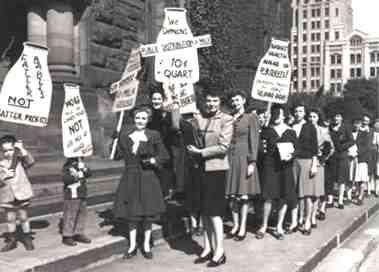
1940’s women demonstrate.
Interpersonal rivalries, gender and the intellectual and scientific making of psychoanalysis in 1940s Britain.

The BBC and the Black Weekend: broadcasting the Kennedy assassination and the birth of global television news
Jose Soler: A Life Working at the Intersections of Nationalism, Internationalism, and Working-Class Radicalism. An Interview with Eric Larson.
How slimming became an obsession with women in post-war Britain
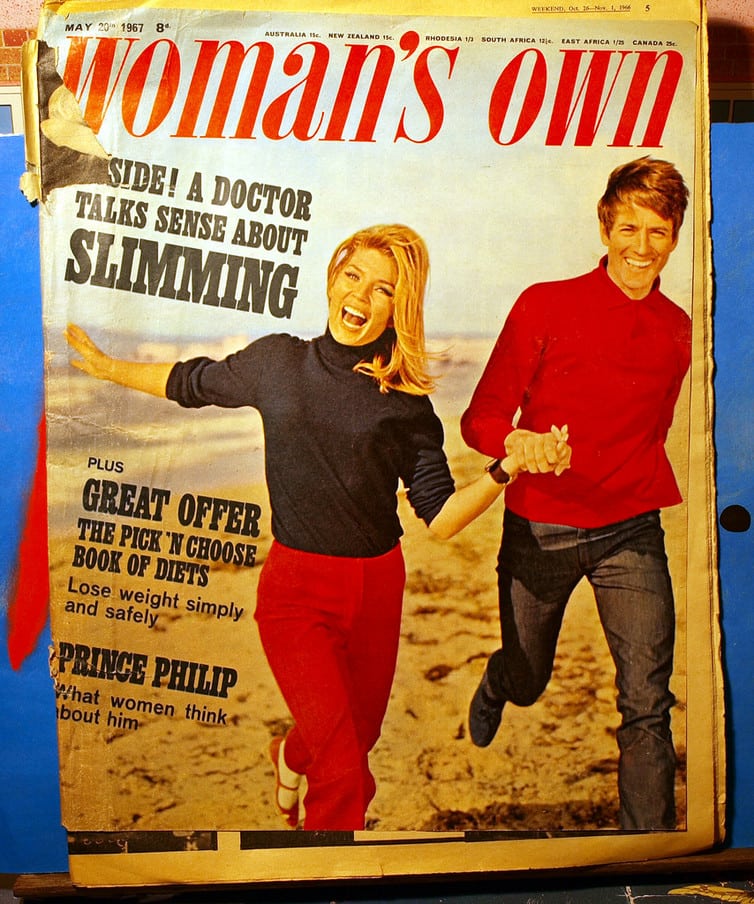 The Conversation
An a la carte approach to dieting emerged in the 60s.
Social care: Government reviews and policy proposals for paying for care since 1997 (England)

Housing conditions in Canada (1912)
Gay Bears: The Hidden History of the Berkeley Campus
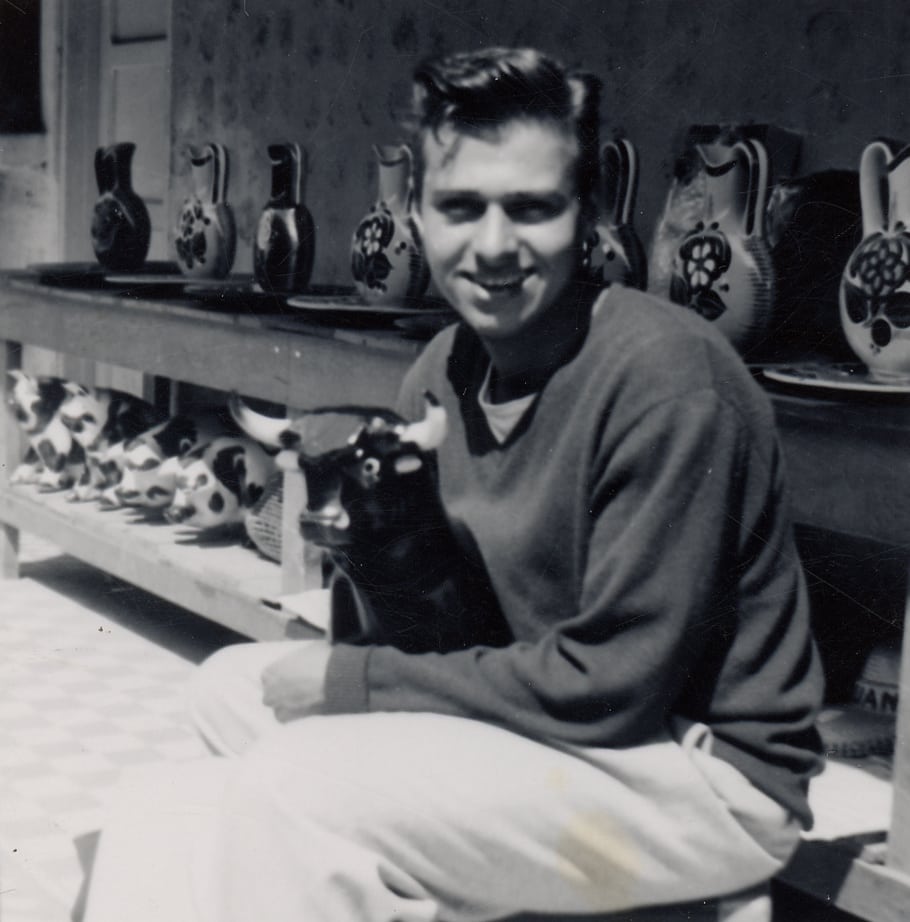 Gay at Cal, 1954
The Life of the Dead: Karl Marx in Context

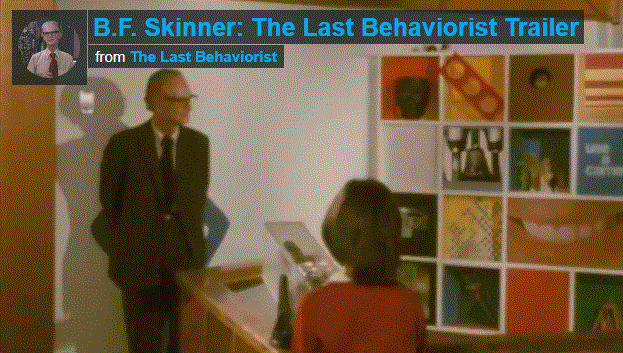
‘The Last Behaviorist’ an upcoming film on Skinner
Fearless Femininity by Women in American Theatre 1910s to 2010s, by Lynne Greeley

Strategizing Marriage: A Genealogical Analysis of Korean Marriage Networks

Employee ownership and union labor: the case of United Steel Workers of America

Acid matters: LSD and the counterculture
Play streets: women, children and the problem of urban traffic, 1930–1970

The Scientific Revolution That Wasn’t: The British Society for Social Responsibility in Science
The ‘black spot’ on the Crimea: venereal diseases in the Black Sea fleet in the 1920s

Katie Barclay, ‘Thinking with The History of Emotions: Nostalgia’

Diffusion of labor agreements: evidence from the UK oil industry
‘Do not forget your bit wife’: love, marriage and the negotiation of patriarchy in Irish Presbyterian marriages, c. 1780–1850
Genocide and Ethnic Cleansing: Our Global Past
Sandra Bem: Revolutionary and Generative Feminist Psychologist

Idealists, Pragmatists and ‘Simple-Minded’ Scamps: The Tasmanian Mental Deficiency Board and State ‘Care’ in the 1920s
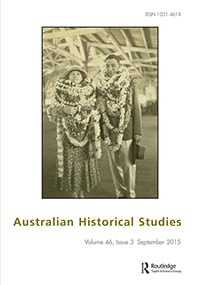
Stress and Deprivation

Hans Selye: The Physiology and Pathology of Exposure to Stress (Montreal, 1950)
Carpeteo Redux: Surveillance and Subversion against the Puerto Rican Student Movement
Star-spangled fascism: American interwar political extremism in comparative perspective

The ‘Unlawful’ Status of Homosexuality in Britain After Decriminalization by Harry Cocks
 Social History
Even though male homosexuality was decriminalised in Britain in 1967, it still occupied a legal grey area in which it could be classified as an ‘unlawful’ act contrary to the public good. This was because of the revival of a common law offence known as ‘conspiracy to corrupt public morals’ which was applied to those gay men who were advertising in the new gay press for friends and lovers.
Regulation 40D: punishing promiscuity on the home front during the First World War
Rick Turner and South Africa’s Sixties
An Inquiry into the Effects of Ardent Spirits upon the Human Body and Mind, with an Account of the Means of Preventing and of the Remedies for Curing Them (New York, 1811)
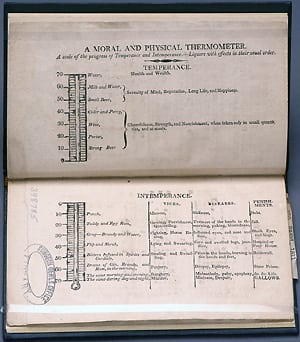 NIH: NLM
In the United States, efforts to articulate the relationship between the care of the body and the state of the mind, morals and emotions date back almost 200 years.
‘A magnificent contribution’: disability allowances and the intellectually disabled in Ireland, 1954-61 by David Kilgannon
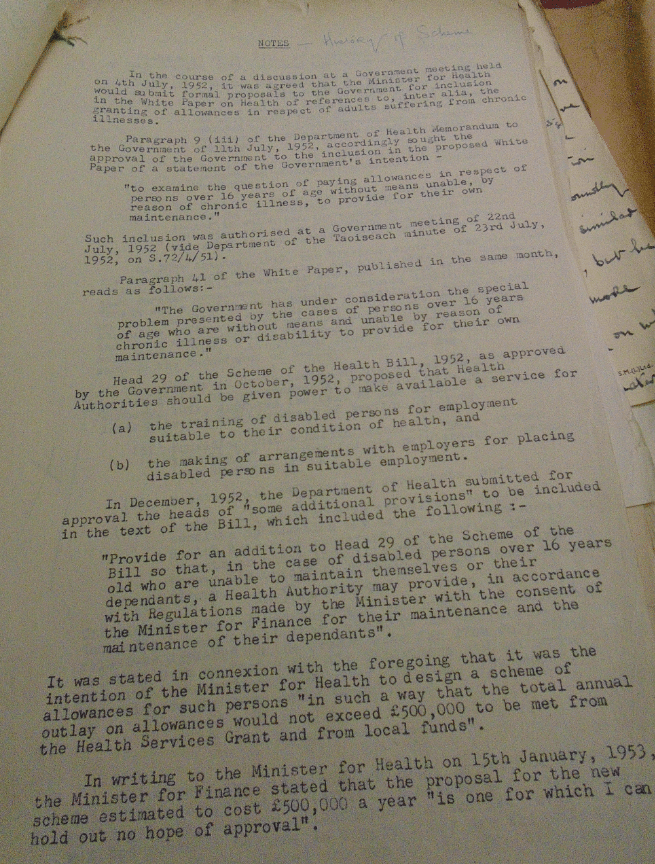 Social History
Government Memo on the Disability Allowance Scheme
Heroic struggles, criminals and scientific breakthroughs: ADHD and the medicalization of child behaviour in Australian newsprint media 1999–2009
Fools, frauds, and firebrands: thinkers of the new left
Attitudinal Changes Toward Homosexuality During the Past Two Decades (1994–2014) in Korea
You say you want a revolution? Records and rebels 1966–1970

Beyond the Pleasure Principle. 1922.
https://www.bartleby.com/lit-hub/beyond-the-pleasure-principle/i-21/
The Counterculture of 1967: Reflections on the ‘Summer of Love’ by John Griffiths
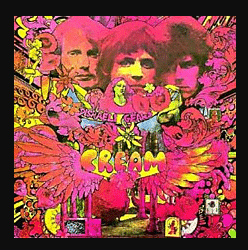 Cream, Disraeli Gears (1967) Album Cover
Katie Barclay, ‘Thinking With The History of Emotions: Hedonism’
Reform or repression: organizing America’s anti-union movement
Unmet Needs: Children in Custody

The practice of incarcerating children in specialist facilities in England and Wales has a long pedigree, dating back to the establishment of Parkhurst Prison in the Isle of Wight in 1838.
A dilemma for the welfare state: managing the cost for shorter working hours, 1919–2002
The American Psychosomatic Society – integrating mind, brain, body and social context in medicine since 1942

Prescription Opioid Exposures Among Children and Adolescents in the United States: 2000–2015

Social Inequalities and Discontent in Yugoslav Socialism