
Federal Urban Renewal in Three Small Texas Cities: A Mixed Legacy
news, new scholarship & more from around the world


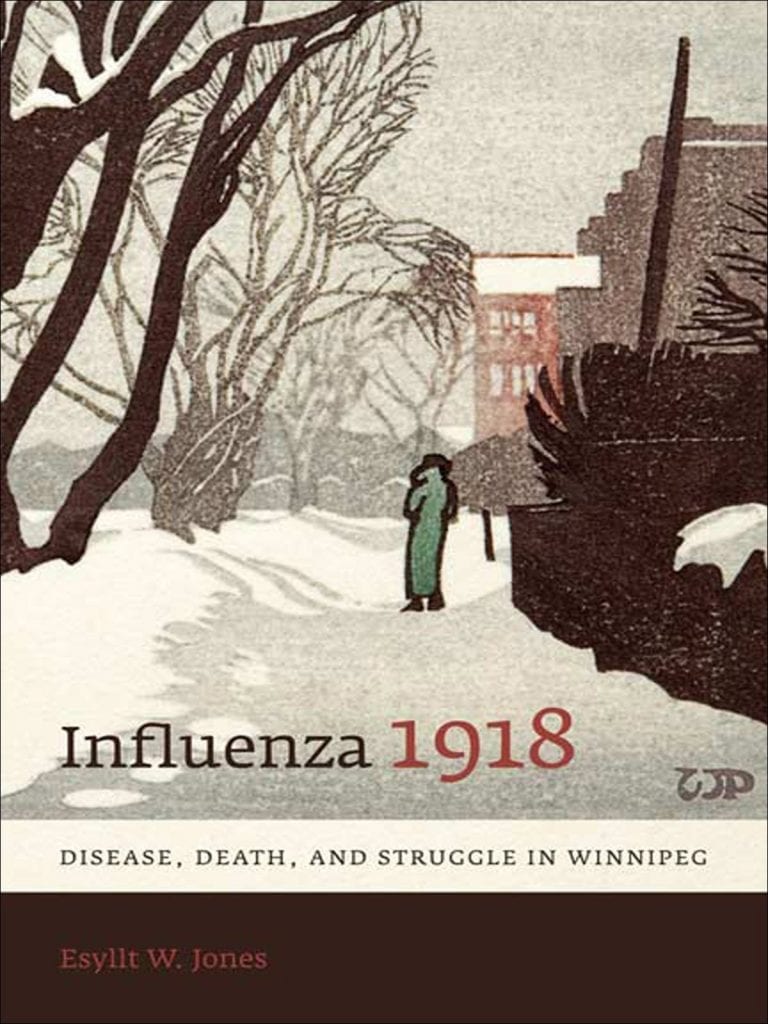
The influenza pandemic of 1918-1919 killed as many as fifty million people worldwide and affected the vast majority of Canadians. Yet the pandemic, which came and left in one season, never to recur in any significant way, has remained difficult to interpret. What did it mean to live through and beyond this brief, terrible episode, and what were its long-term effects?


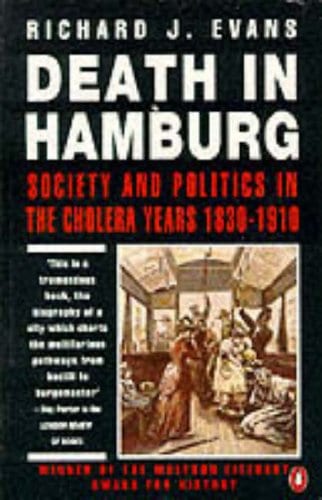
Why were nearly 10,000 people killed in six weeks in Hamburg, while most of Europe was left almost unscathed? As Richard J. Evans explains, it was largely because the town was a “free city” within Germany that was governed by the “English” ideals of laissez- faire. The absence of an effective public-health policy combined with ill-founded medical theories and the miserable living conditions of the poor to create a scene ripe for tragedy.

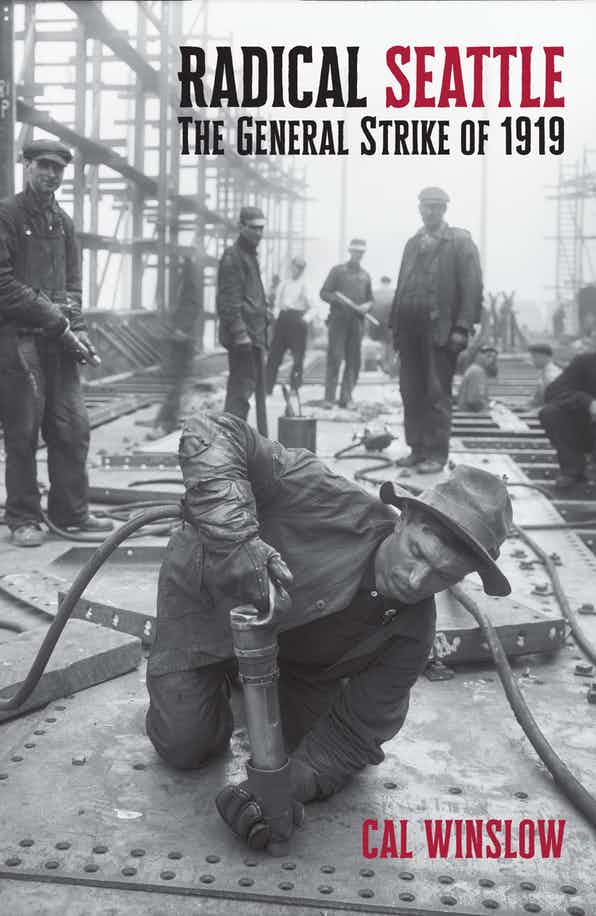
On a grey winter morning in Seattle, in February 1919, 110 local unions shut down the entire city. Shut it down and took it over, rendering the authorities helpless. For five days, workers from all trades and sectors – streetcar drivers, telephone operators, musicians, miners, loggers, shipyard workers – fed the people, ensured that babies had milk, that the sick were cared for. They did this with without police – and they kept the peace themselves. This had never happened before in the United States and has not happened since.
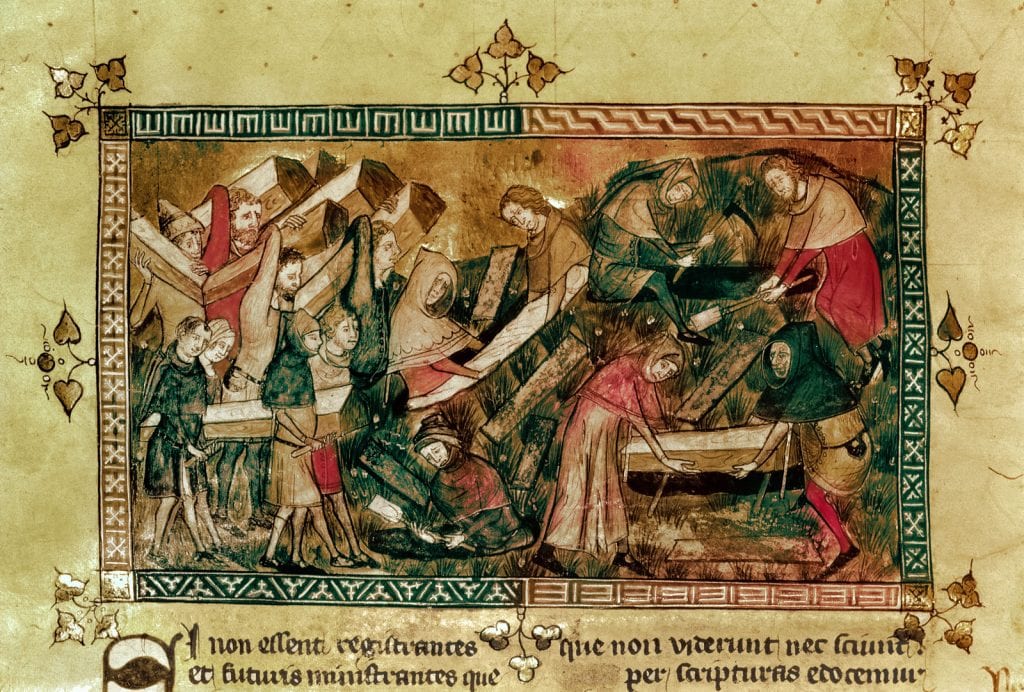
Gilles Le Muisit: Black Death at Tournai, 1349
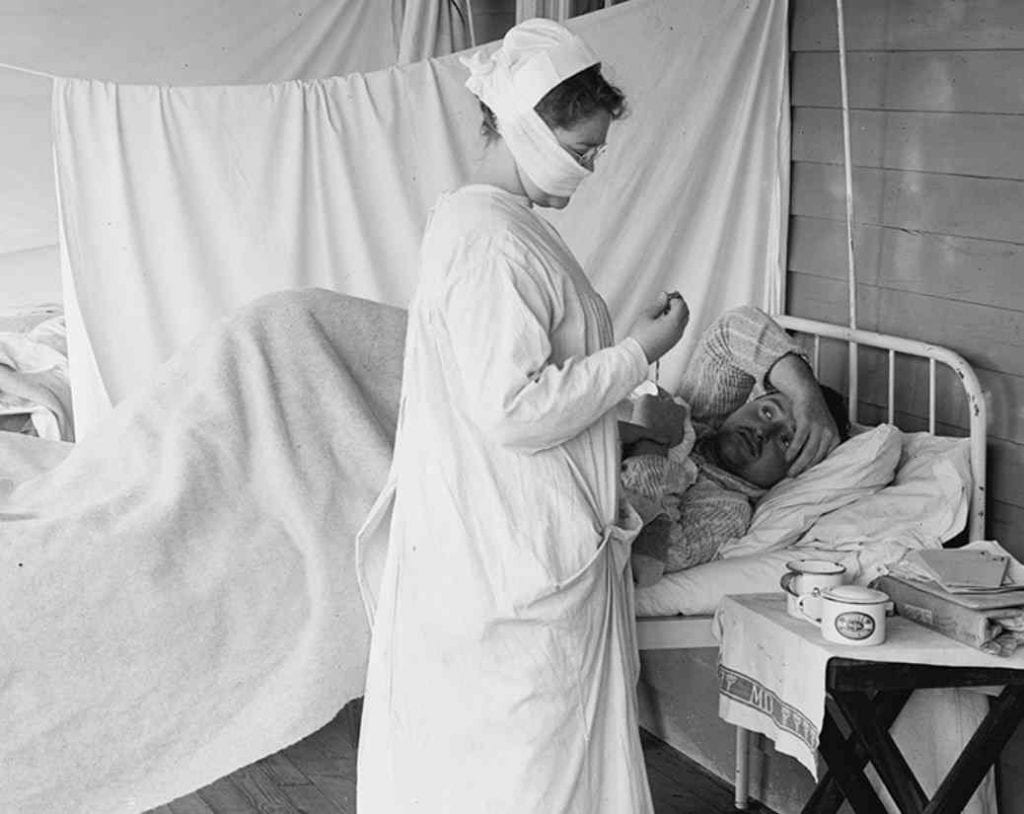
Walter Reed Hospital, Washington, D.C., during the great Influenza Pandemic of 1918 – 1919
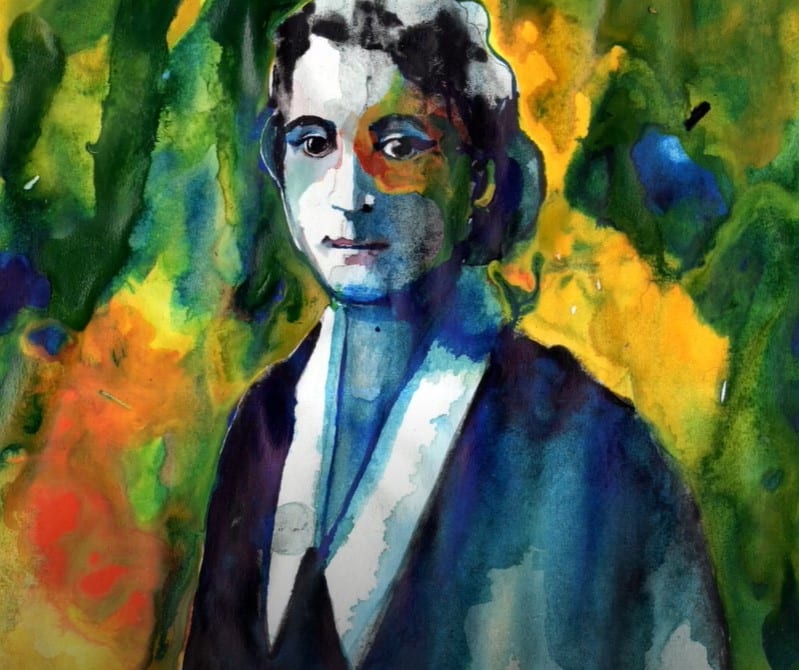
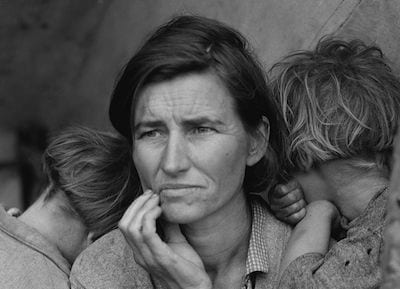
Do we have an obligation to view the images in a different way if we know something more about the circumstances of their creation?
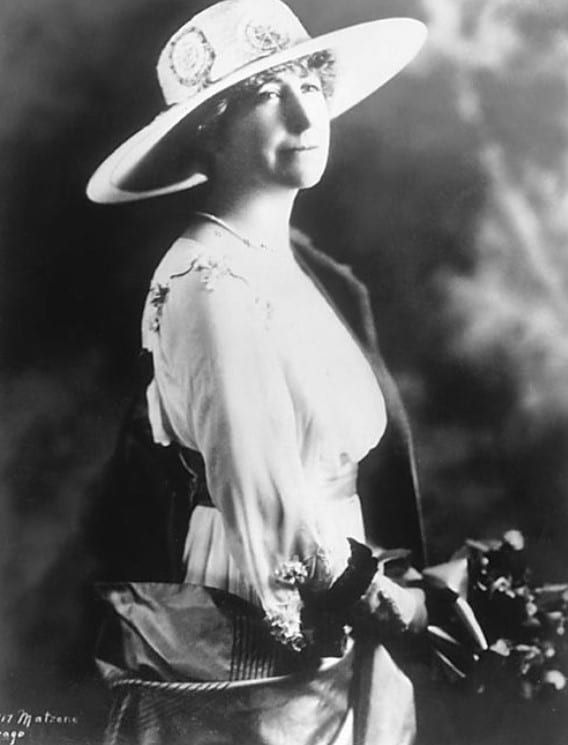
Rankin first wanted to go into social work, Bradbury shared, and attended a “school for philanthropy.” But Rankin was frustrated when she felt she couldn’t make a difference at the root of problems she saw.



Frances Perkins (above) was having tea with friends at Margaret Morgan Norrie’s home on Washington Square on Saturday afternoon, March 25, 1911 . . . The clang of fire trucks interrupted their conversation and they hurried across the Square to discover the cause. They reached the Asch Building, site of the Triangle Shirtwaist Company, in time to see young women, many on fire, jumping to their deaths. 146 human beings perished.
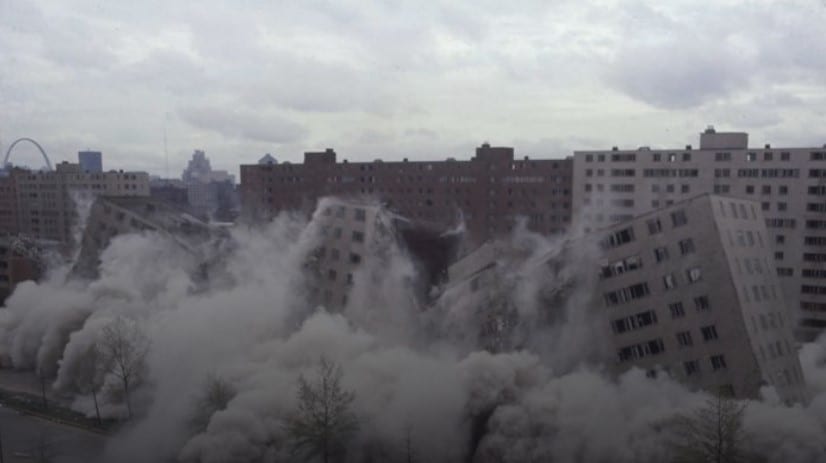
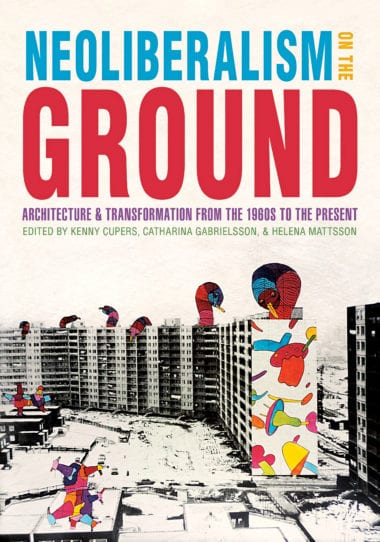
The problems of housing crises, gentrification, homelessness, unfettered real estate capital and unregulated development are hardly unfamiliar issues. Their effects are everywhere apparent in the modern city.




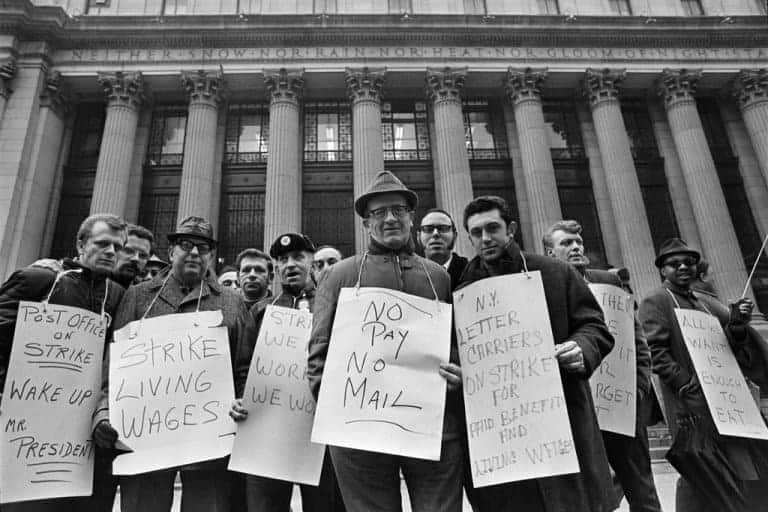
This date marked the beginning of the Great Postal Strike in New York City. Postal workers hadn’t seen a raise since 1967. They were banned from collective bargaining and from striking. Nevertheless, in spite of the law and their own union’s attempt to quell the unrest, the postal workers voted to strike, marking the first time in the nearly 200-year history of the Postal Service that postal workers went on strike.
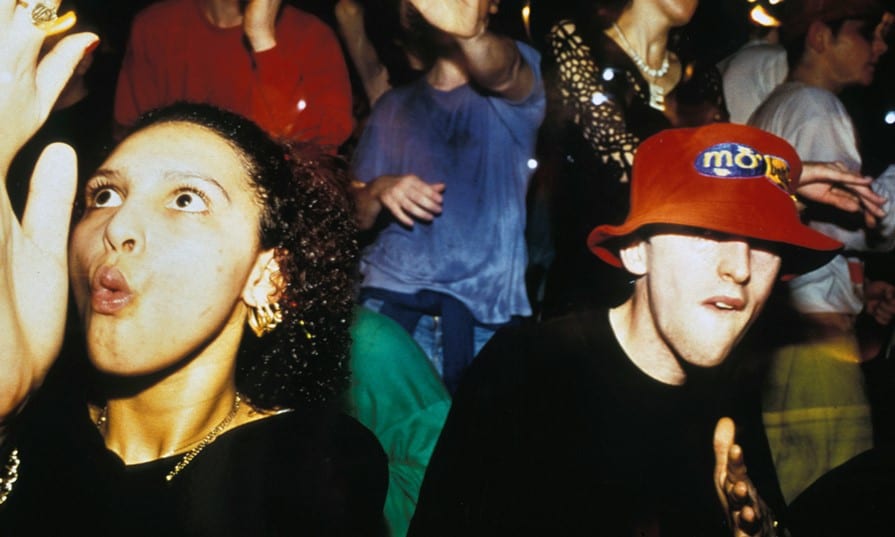
LSD in the ’60s; ecstasy in the ’80s; ‘smart’ drugs today: how we get high reflects the desires and fears of our times
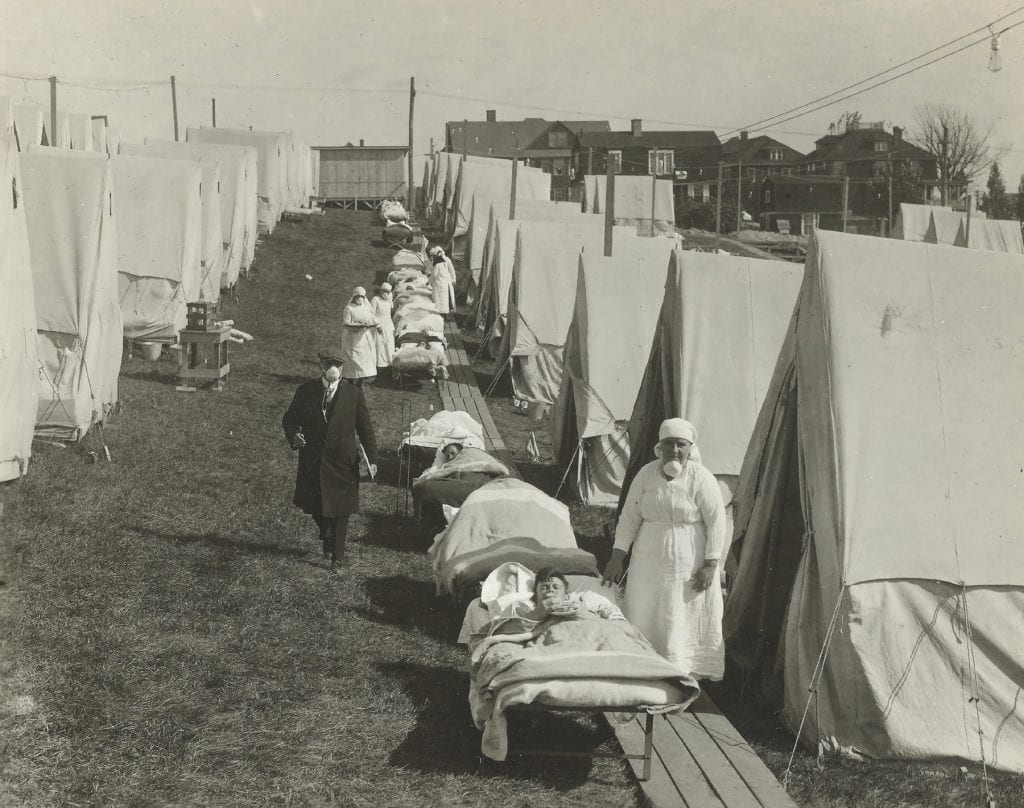
An emergency hospital in Brookline, Massachusetts, where patients were cared for during the 1918 influenza epidemic


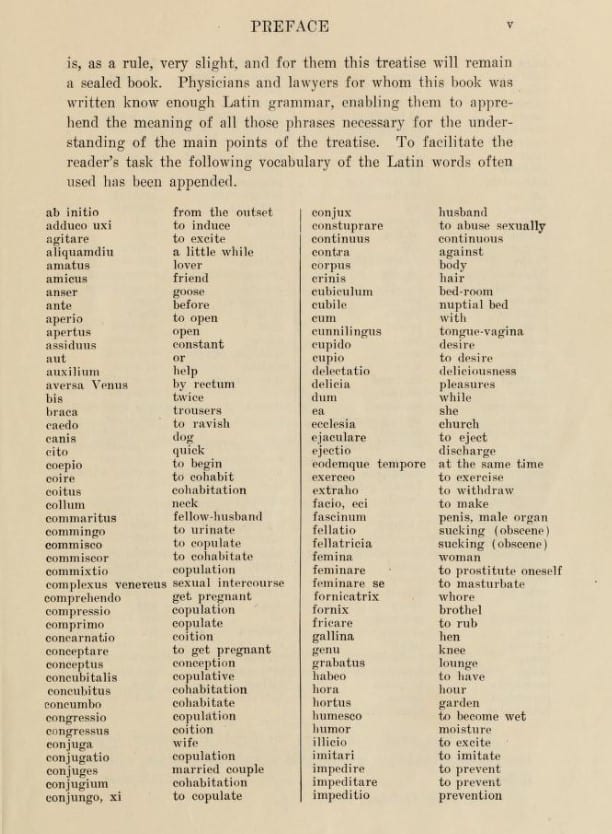
Bernard Simon Talmey, Love: A Treatise on the Science of Sex-Attraction, for the Use of Physicians and Students of Medical Jurisprudence (New York: Practitioners’ Publishing Company, 1919)



How Better Homes in America — a collaboration between Herbert Hoover and the editor of a conservative women’s magazine—promoted idealized whiteness.

Starting in 1865, regulations pursuant to public hygiene issued by the Unitary Government provided for administrative and political control of the funerary practice. Specifically, they regulated the management of cemeteries and the burials, increasingly drawing the funeral rituals from the control of the Church and of Catholicism, therefore secularising death for the construction of a new political religion. Hygiene became fundamental in order to promulgate cremation as a system of preserving the integrity of the bodies, preserving the ashes as a tangible and indestructible product of body matter and as a measure to protect public health by eliminating the risk of miasmatic pollution of the air caused by the cadaveric fumes. In the early 1870s, the practice of cremation began to spread, especially in the territories of Lombardy-Veneto and Savoy, as an expression of the progressive policies of the new Italian state, antagonistic to the old Catholic religious traditions. This paper intends to highlight the key aspects of the political significance that the cremation took on during the Risorgimento period, while also illustrating the methods adopted by important authors from that time period regarding incineration techniques and cremation methods.
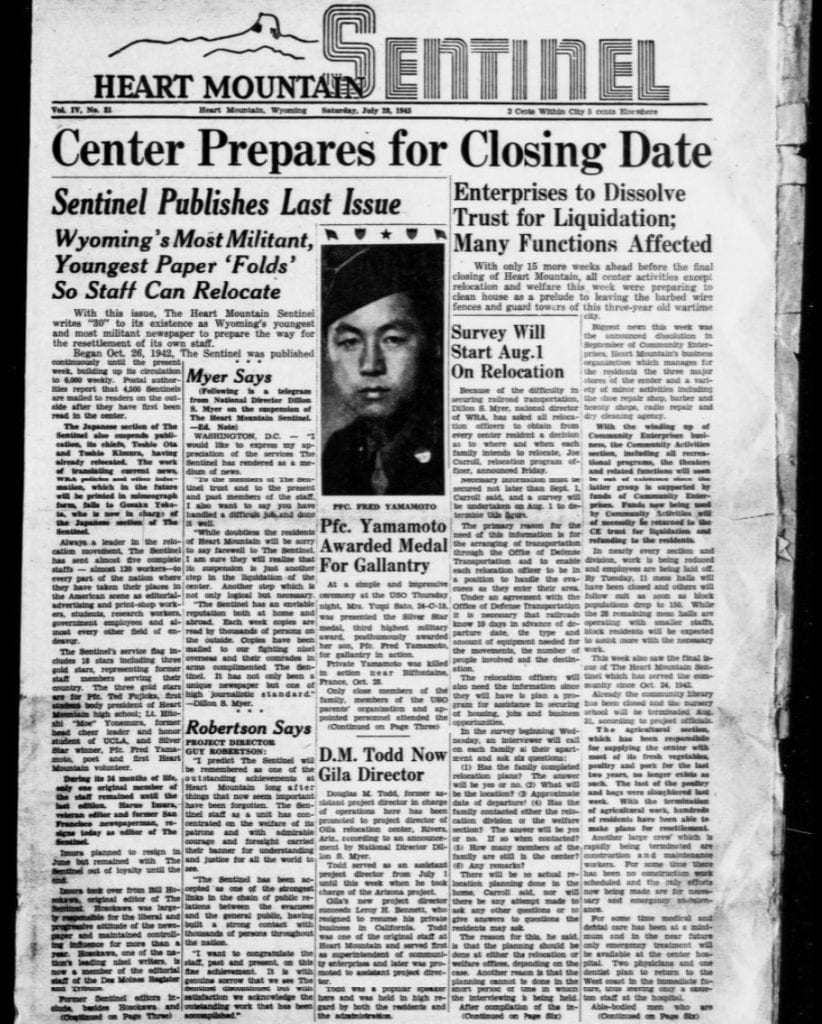
Heart Mountain sentinel (Cody, Wyoming), July 28, 1945

‘A reputation for cheeriness’. Robert Burton (1635) by Gilbert Jackson.

Warders at Winson Green Mental Hospital used this alarm whistle. It is representative of the level of institutional security within psychiatric hospitals around the early 20th century. Whistles such as this were part of control measures to curb patients’ disruptive or aggressive behaviour.
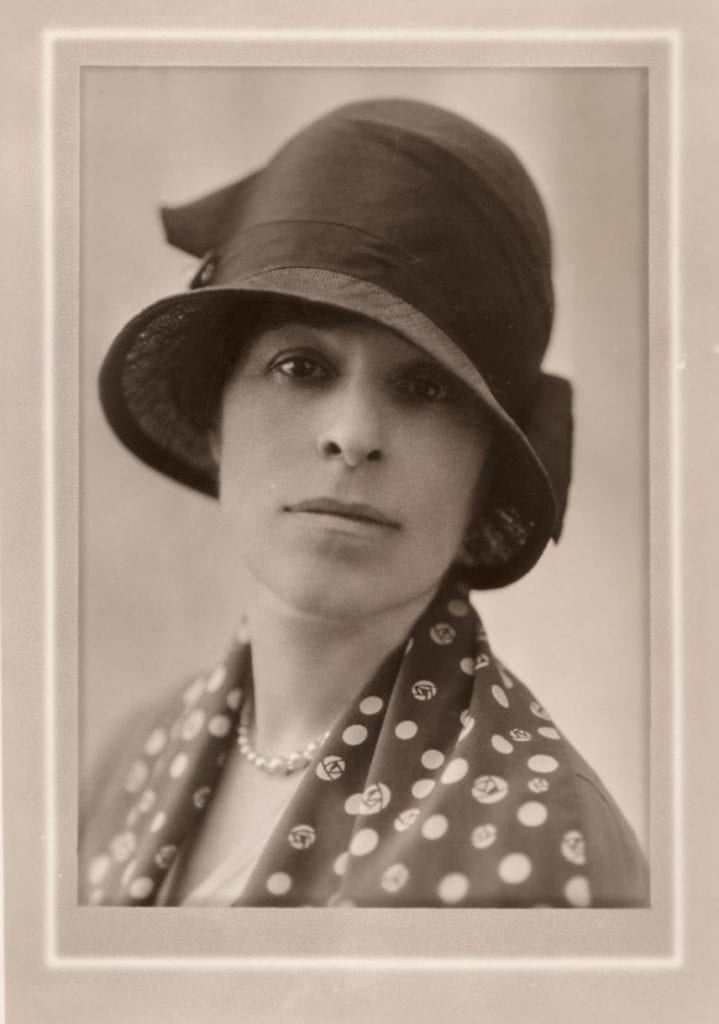



Dorothy Day, co-founder of the Catholic Worker movement, has been called “the most significant, interesting, and influential person in the history of American Catholicism.” For almost fifty years, through her tireless service of the poor and her courageous witness for peace, she offered an extraordinary example of the gospel in action.