
Brain Stimulation Therapies for Clinicians, Second Edition
news, new scholarship & more from around the world





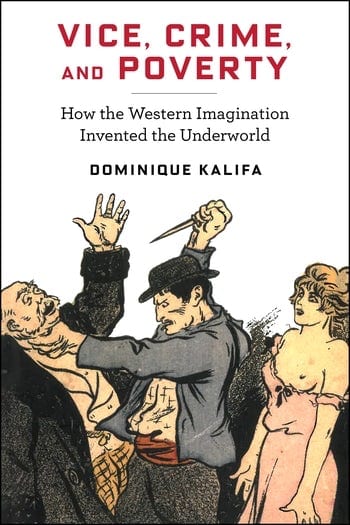
In Vice, Crime, and Poverty, Dominique Kalifa traces the untold history of the concept of the underworld and its representations in popular culture. He examines how the myth of the lower depths came into being in nineteenth-century Europe, as biblical figures and Christian traditions were adapted for a world turned upside-down by the era of industrialization, democratization, and mass culture.












Ruptures takes in new directions broader intellectual debates about continuity and change. In particular, by thematising rupture as a radical, sometimes violent, and even brutal form of discontinuity, it adds a sharper critical edge to contemporary discourses, both in social theory and public debate and policy.



Provides a new way for health care social workers to conceptualize practice as closely connected to large macro influences, both nationally and internationally

Based on ethnographic work, Avital Binah-Pollak aims to explain the relationships between gender dynamics and inequalities at the level of the family and broader social, political, and economic relationships between mainland China and Hong Kong. She argues that these cross-border marriages are causing the expanding and blurring of borders, so that there is a much wider strip of border in which the dichotomies of the rural/urban, periphery/center, and hybrid/national identities become more complex and negotiable.







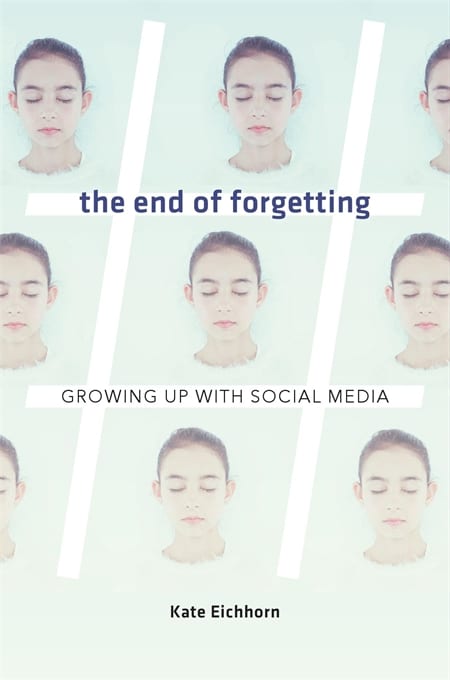
Thanks to Facebook and Instagram, our childhoods have been captured and preserved online, never to go away. But what happens when we can’t leave our most embarrassing moments behind?



Maughan’s central thesis—that the global society would shatter into small pieces without online connectivity—is carefully presented and seems chillingly plausible.