The End of Aspiration? Social Mobility and Our Children’s Fading Prospects
news, new scholarship & more from around the world


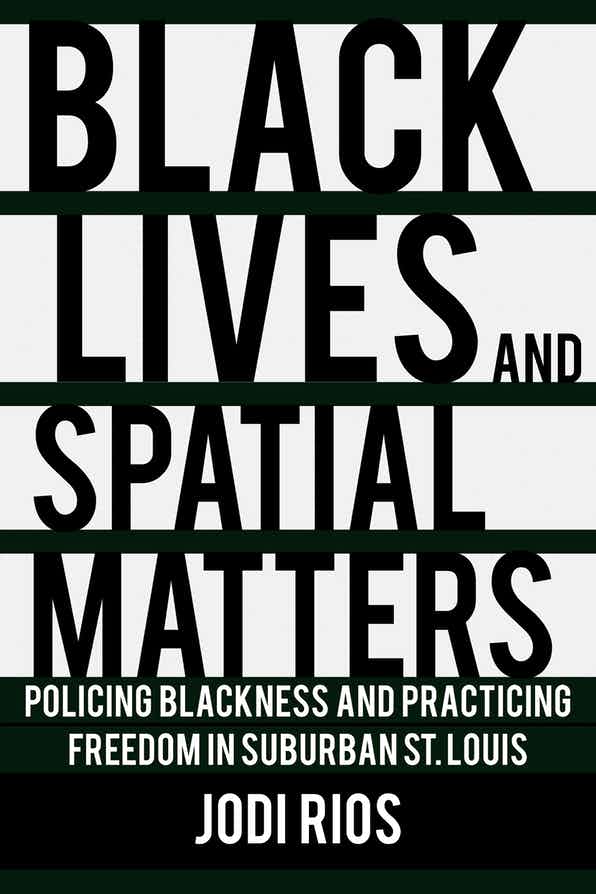

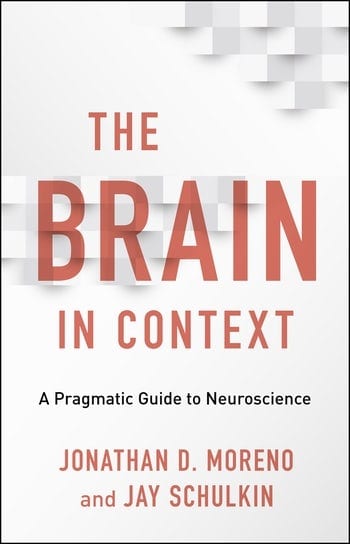


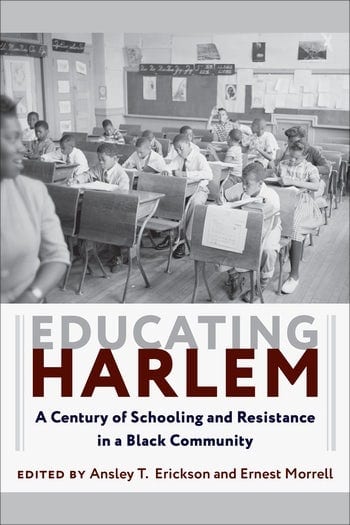

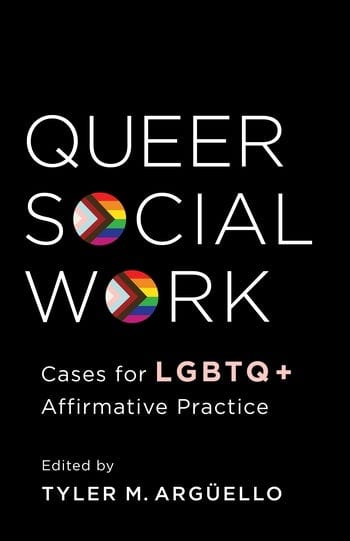
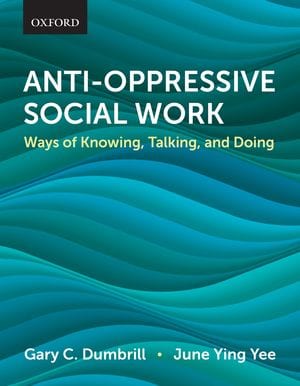
With a blend of personal narrative, theory, and exercises, this text helps provide a deep understanding of society and its power relationships so students can apply anti-oppression to their everyday lives and their future practice.
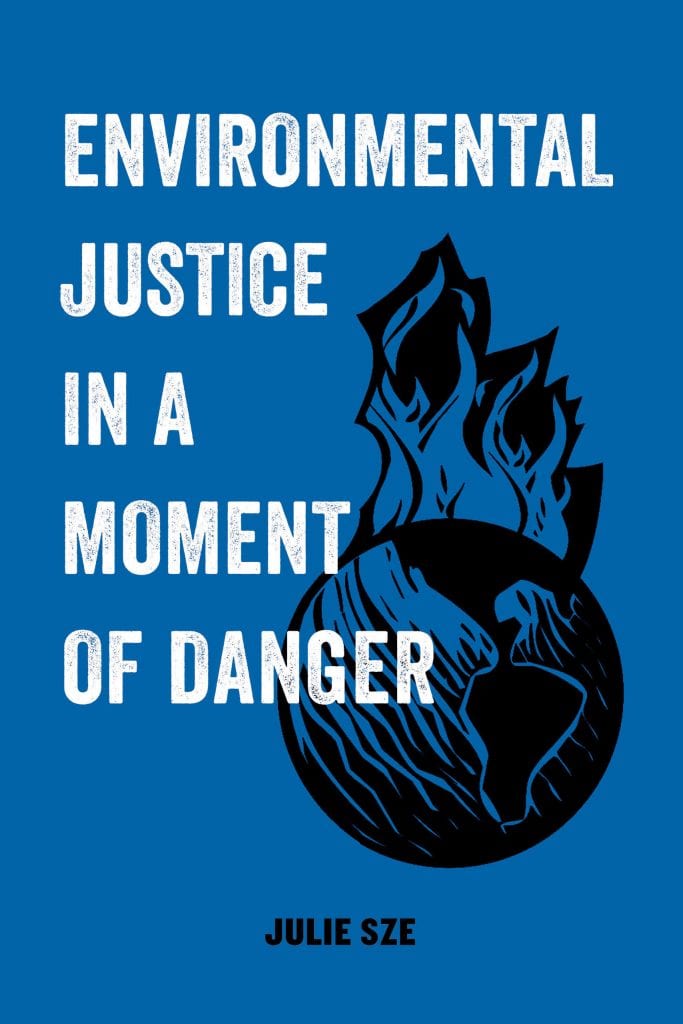
Environmental Justice in a Moment of Danger examines mobilizations and movements, from protests at Standing Rock to activism in Puerto Rico in the wake of Hurricane Maria. Environmental justice movements fight, survive, love, and create in the face of violence that challenges the conditions of life itself. Exploring dispossession, deregulation, privatization, and inequality, this book is the essential primer on environmental justice, packed with cautiously hopeful stories for the future.
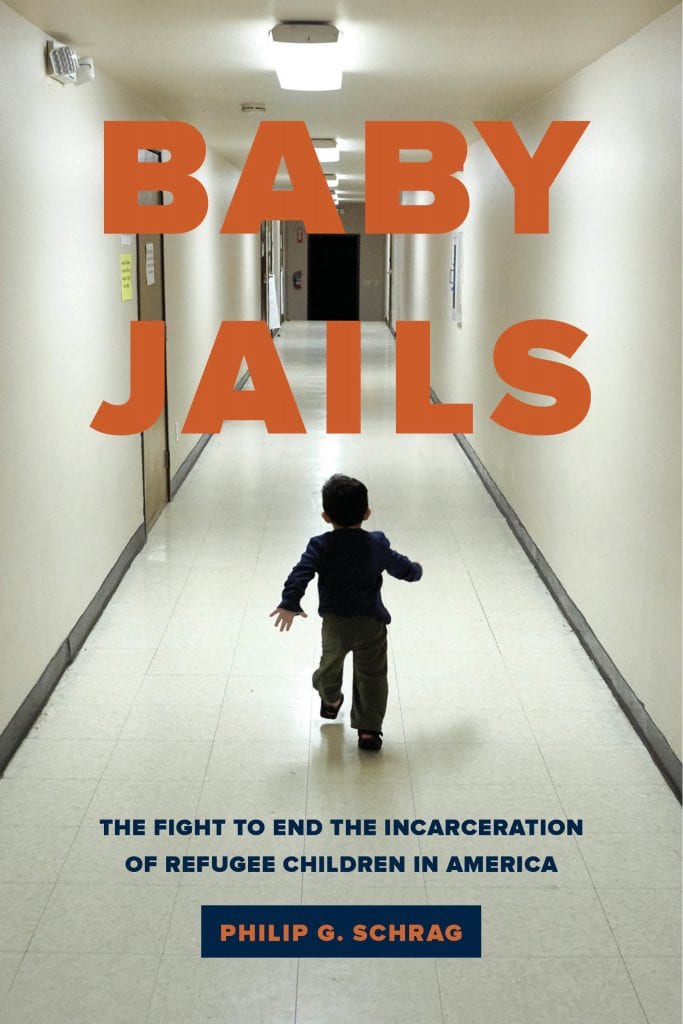
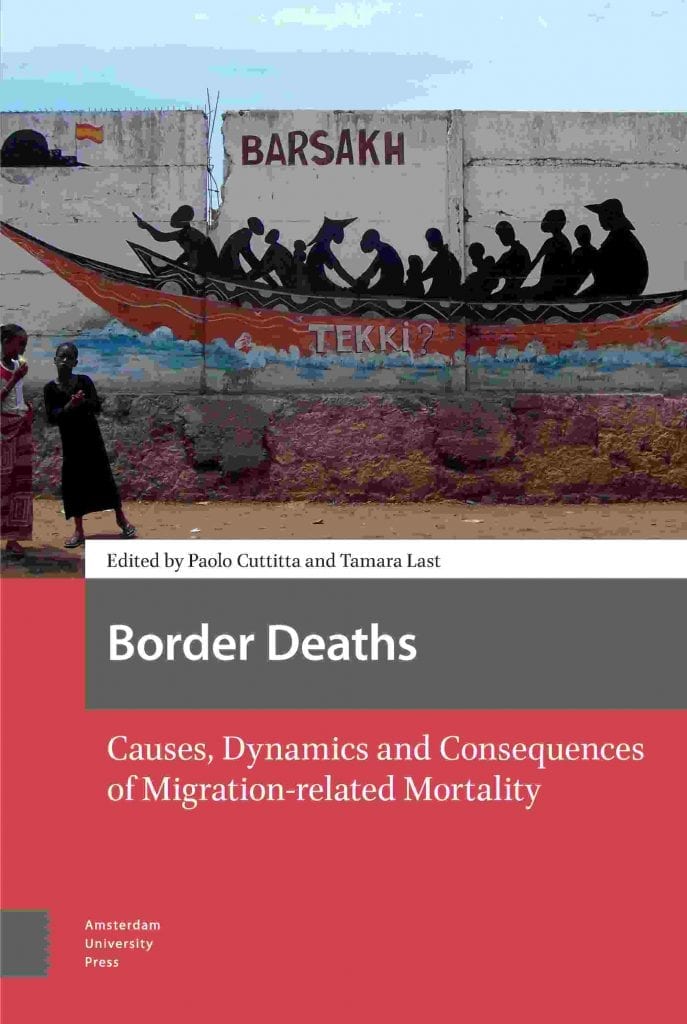
In 2018, the United Nations High Commission for Refugees documented a record high 71.4 million displaced people around the world. As states struggle with the costs of providing protection to so many people and popular conceptions of refugees have become increasingly politicized and sensationalized, researchers have come together to form regional and global networks dedicated to working with displaced people to learn how to respond to their needs ethically, compassionately, and for the best interests of the global community.






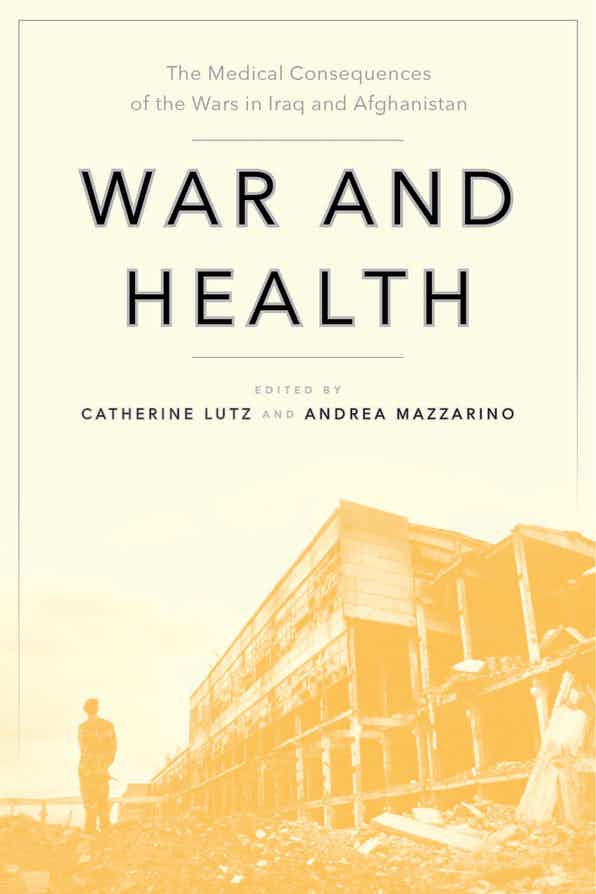
Since 2010, a team of activists, social scientists, and physicians have monitored the lives lost as a result of the US wars in Iraq, Afghanistan, and Pakistan through an initiative called the Costs of War Project. Unlike most studies of war casualties, this research looks beyond lives lost in violence to consider those who have died as a result of illness, injuries, and malnutrition that would not have occurred had the war not taken place. Incredibly, the Cost of War Project has found that, of the more than 1,000,000 lives lost in the recent US wars, a minimum of 800,000 died not from violence, but from indirect causes.



This book offers a compelling critical analysis of American society by examining the role of psychotherapy within social policy and the culture that has fashioned it. It takes a deeply critical look at ‘the social clinic,’ defined here as a ubiquitous organizational arrangement that includes clinical and community psychology, counseling, clinical social work, psychiatry, much of the self-help industry, complementary and alternative medicine and others. Epstein’s analysis concludes that the social clinic lacks credible evidence of effectiveness and its continued popularity expresses popular but predatory American values such as romantic individualism, the triumph of the subjective, a sense of personal and political chosenness, persistent bigotry, and a preference for tribal as opposed to civic identities. This careful examination of American society through the lens of psychotherapeutic practice characterizes the social clinic as a soothing fiction of the United States.


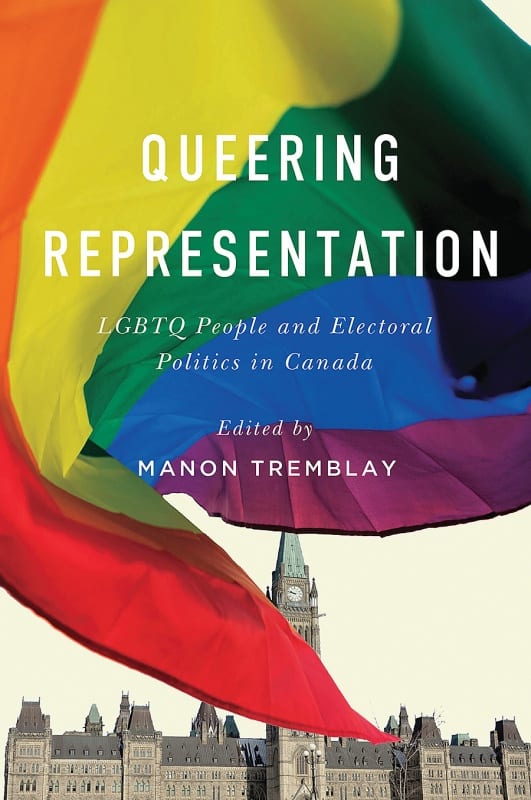
The presence at the heart of state power of individuals associated with historically ostracized, even criminalized, identities raises important questions. What are the LGBTQ electorate’s characteristics and voting behaviours, and what empowerment has it achieved through electoral systems? How do straight voters view out LGBTQ politicians, and what part do the media play in framing these perceptions? What pathways to power do LGBTQ politicians follow? Do they represent LGBTQ people and communities in particular, and, if so, how is this role articulated? And finally, how do Canadian party ideologies shape LGBTQ representation?