Understanding the Politics of Artificial Intelligence
news, new scholarship & more from around the world
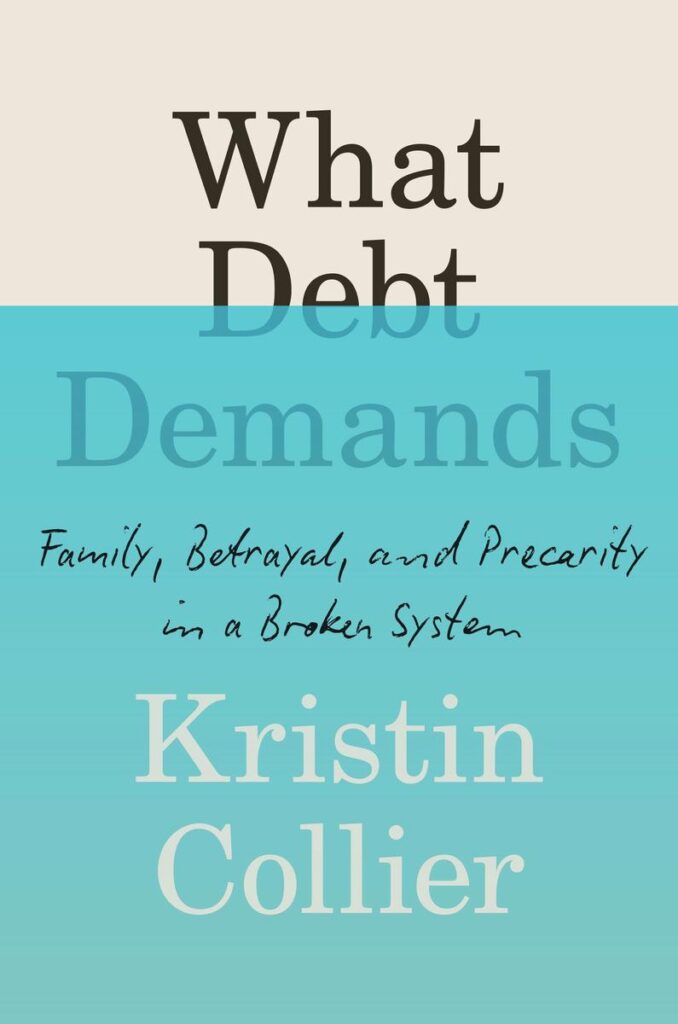
A powerful memoir of a woman plunged into fraudulent debt that explores America’s broken student loan system and illuminates the ways that debt shapes every aspect of our lives.

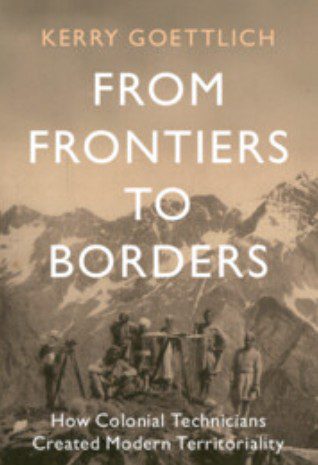
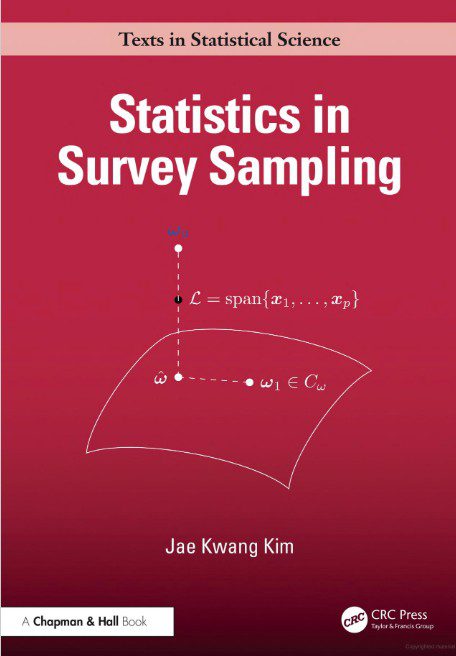

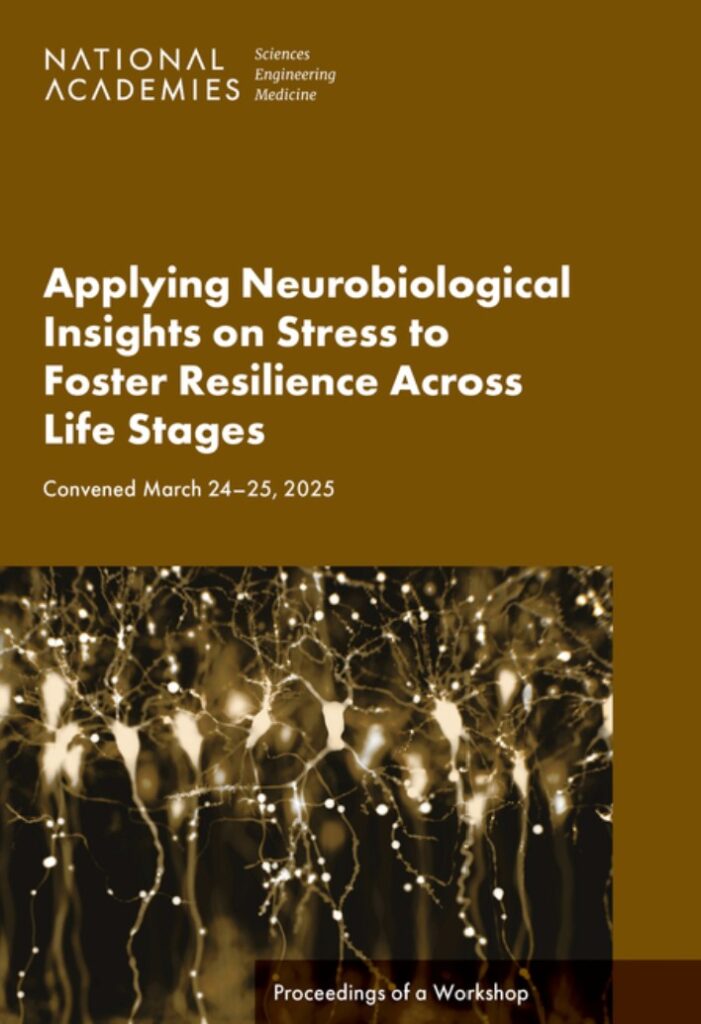
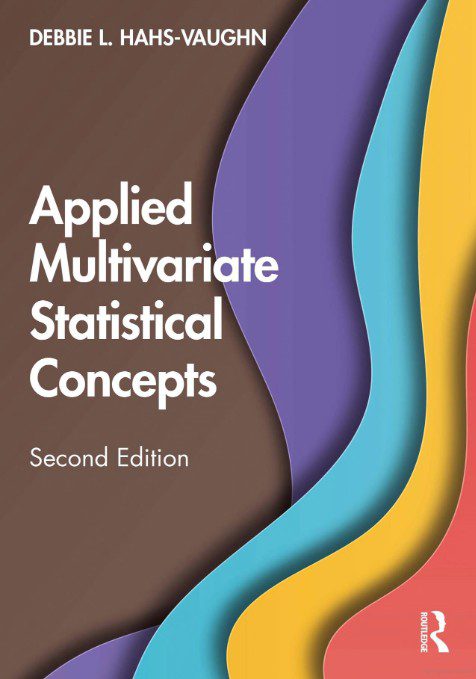
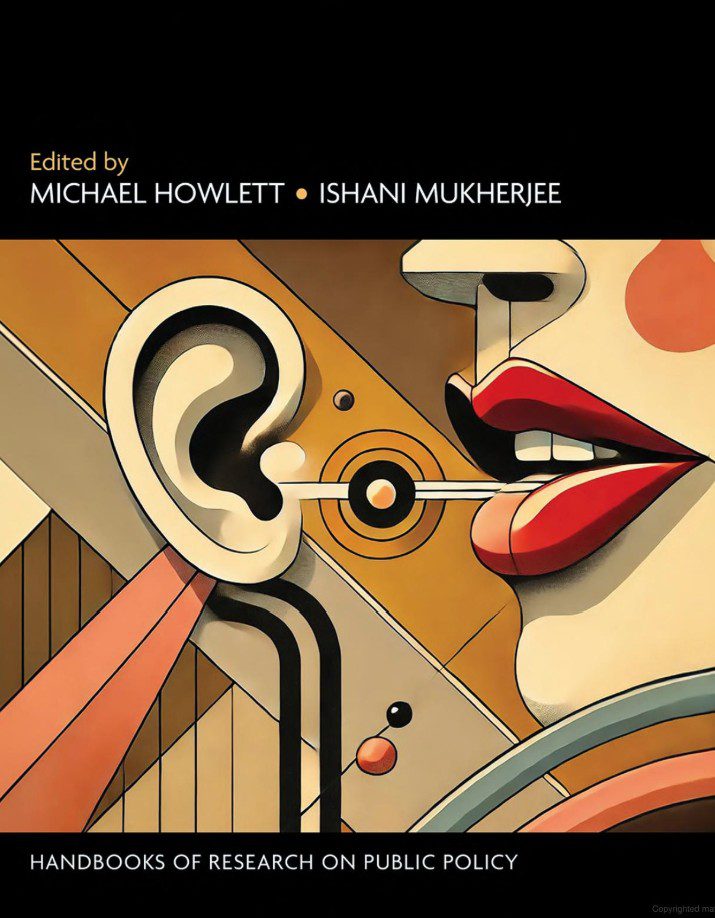
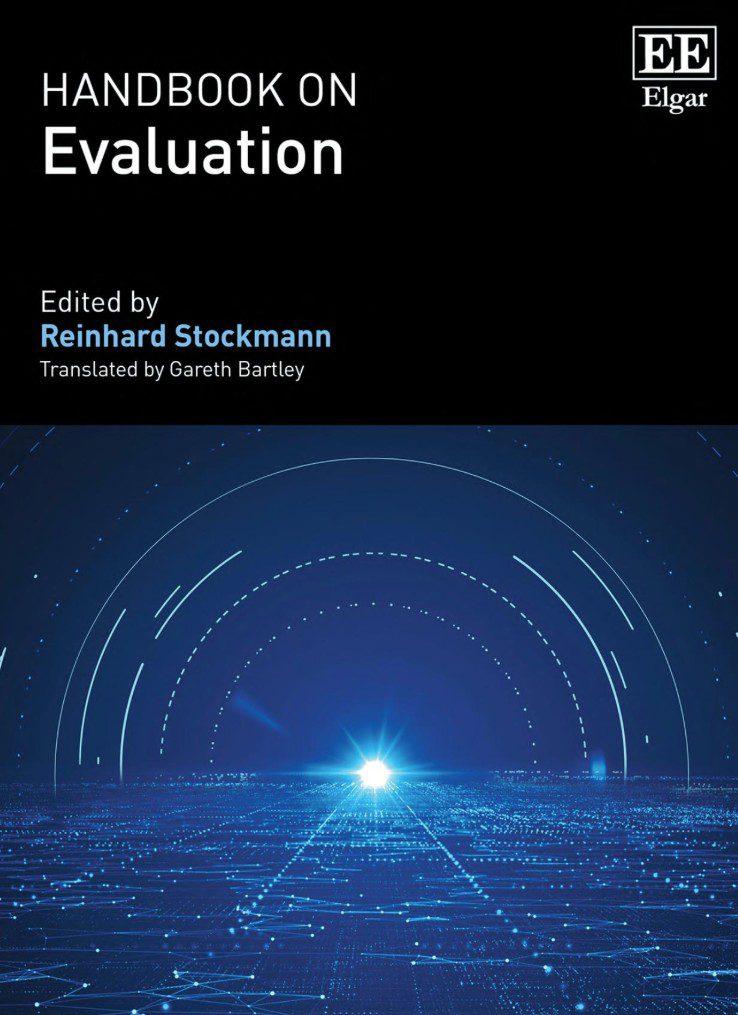
In 50 chapters on different topics and country experiences, leading international experts explore how issues and developments such as social media and AI have impacted the content, quality and organization of policy advice for modern governments. They discuss how the nature and deployment of policy expertise is changing amidst the fragmentation of existing information ecosystems and growing distrust in traditional actors and institutions. The Handbook analyses the features and problems of existing studies and practices such as evidence-based policy-making and addresses the future of policy advising, illustrating the impact and implications of ongoing shifts towards more pluralistic and social-media-driven sources of policy knowledge.

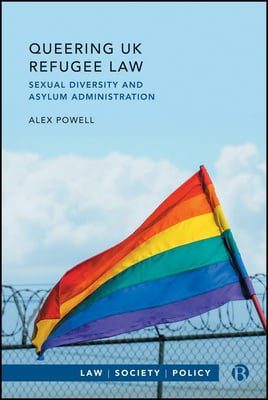
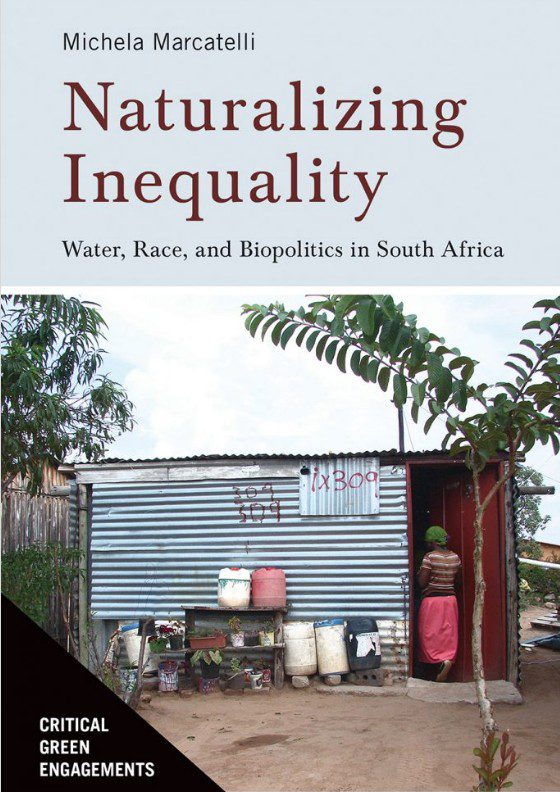

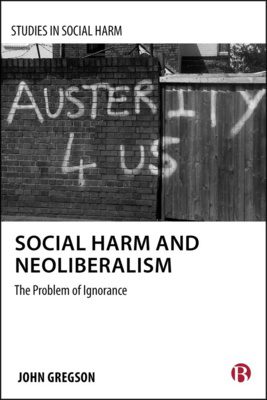
Illustrated through case studies, John Gregson shows that social harms are a problem created not only by politics or economics, states or corporations, but also by the individualism that neoliberal societies encourage. He argues that key factors that deepen the problem of social harm include the neoliberal production of ignorance and subjectivity, along with liberal modernity itself.
Why are some harms defined as crimes while others are not? This pioneering collection disrupts the boundaries of criminology, offering a bold, innovative exploration of crime, state power and social harm across historical and global contexts. Bridging zemiology, governmentality studies, and decolonial theory, this book offers a fresh perspective on how the colonial roots and ongoing dynamics of global capitalism perpetuate harm, particularly in the Global South. Through compelling case studies on topics such as tourism, drugs, non-human animals, food, ecology, minoritized groups and migration, it reveals how colonial legacies and structural injustices shape who experiences harm, whose experiences are acknowledged – and how harm may be resisted.