
Archive for August 2025
The Psychological Tapestry of Orthorexia Nervosa: Unpacking its Intricate Relationship with Self-Esteem, Anxiety, and Eating Attitude
CfP: HAAL Special Issue: Land, work and rural women’s resistance in Latin America, the Caribbean and the Global South (Due by 30 Oct)
Teens and Internet, Device Access Fact Sheet
Subjective cognitive complaints and future risk of dementia and cognitive impairment, which matters most
Unintended consequences of measuring gestational weight gain: how to reduce weight stigma in perinatal care
Aging and subjective cognitive difficulties during COVID-19: stress and positive experiences
“Vodka knows when the time is right”: Theatre, Hygiene, and Anti-Alcohol Propaganda in the Early Soviet Union
Conjoint behavioral consultation and students of Latine origin: Effects on social and behavioral outcomes at school and home
Relations between worry, thought control, suicidal ideation and attempt history
Fighting Oligarchy: The relevance of Marx with Yanis Varoufakis and Alex Callinicos
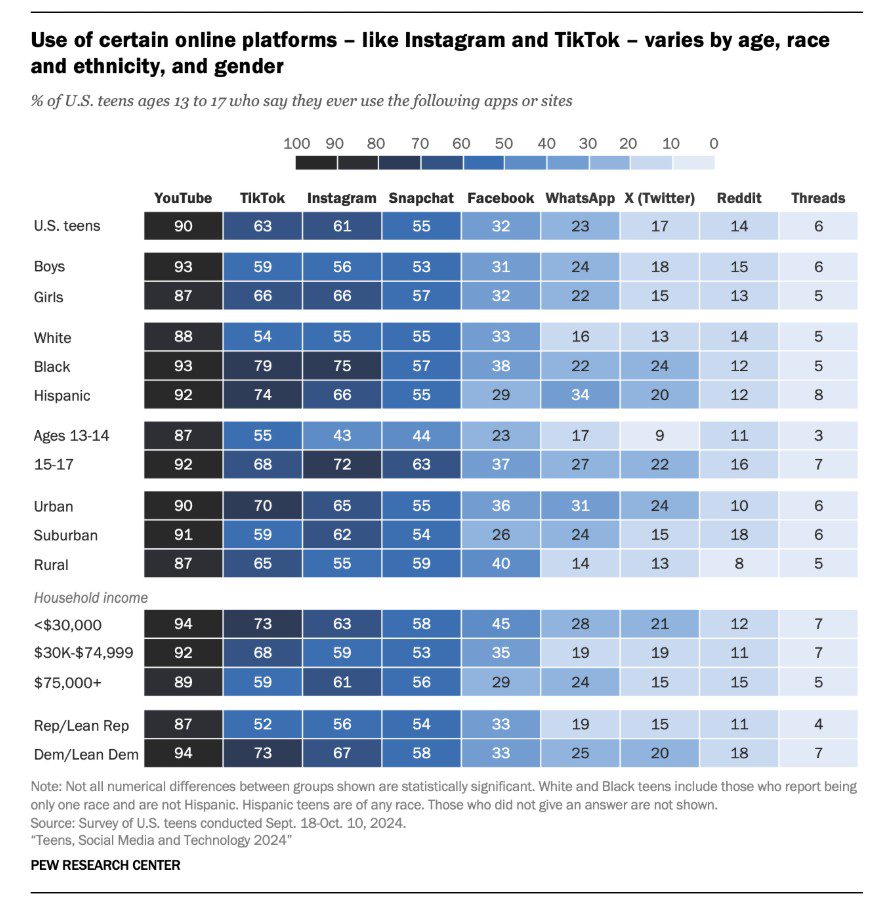
Use of certain online platforms – like Instagram and TikTok – varies by age, race and ethnicity, and gender
A tale of two ages: fluid reasoning as a predictor of working memory training efficacy in middle-aged and older adults
Every eight minutes: Uber’s alarming sexual violence problem

NYT | A Osborne
For years, Uber has said it is one of the safest ways to travel. But a New York Times investigation found that the company has been contending with a major problem: Hundreds of thousands of people reported that they were sexually assaulted or harassed during Uber rides. Emily Steel, who broke the story, discusses what executives knew about the problem and how they failed to take certain steps that were supposed to make riders safer.
How Skinfluencers Can Impact Black Consumers’ Attitudes and Intentions Towards Sunscreen Use: The Role of Message Appeal, Health Beliefs, and Health Regulatory Focus
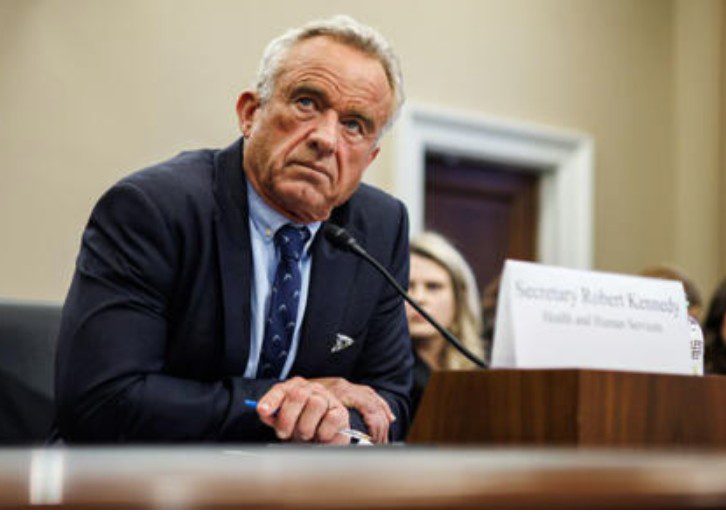
Chronically ill? In Kennedy’s view, it might be your own fault
CNN | S Corum/Getty
Health and Human Services Secretary Robert F. Kennedy Jr. and agency leaders have attributed a panoply of chronic diseases and other medical issues — such as autism, attention-deficit/hyperactivity disorder, depression, diabetes, and obesity — to consumers and their lifestyle choices, according to a review of 15 hours of recorded interviews, social media statements, and federal reports.
Factors associated with placement along the HIV prevention and care continuum among sexual minority men who use methamphetamine
How to protect yourself from scams AUSLAN
VA and DOD Health Care: Agreements to Share Services and Other Resources Should Be Evaluated
Hardwick State

Network intervention analysis of a digital intervention for the prevention of depression in patients with chronic back pain
Online Availability of Diamond Shruumz Before and After FDA Recall Initiation: Qualitative Assessment and Simulated Test Purchasing
Exploring How Organizational Actors Experience Evaluation and Its Influence: A Q-Methodological Study
Request for proposals: Evaluation of the Young Parents Project (Due by Aug 31)
Making Sense of Epidemiological Research: A Student’s Guide

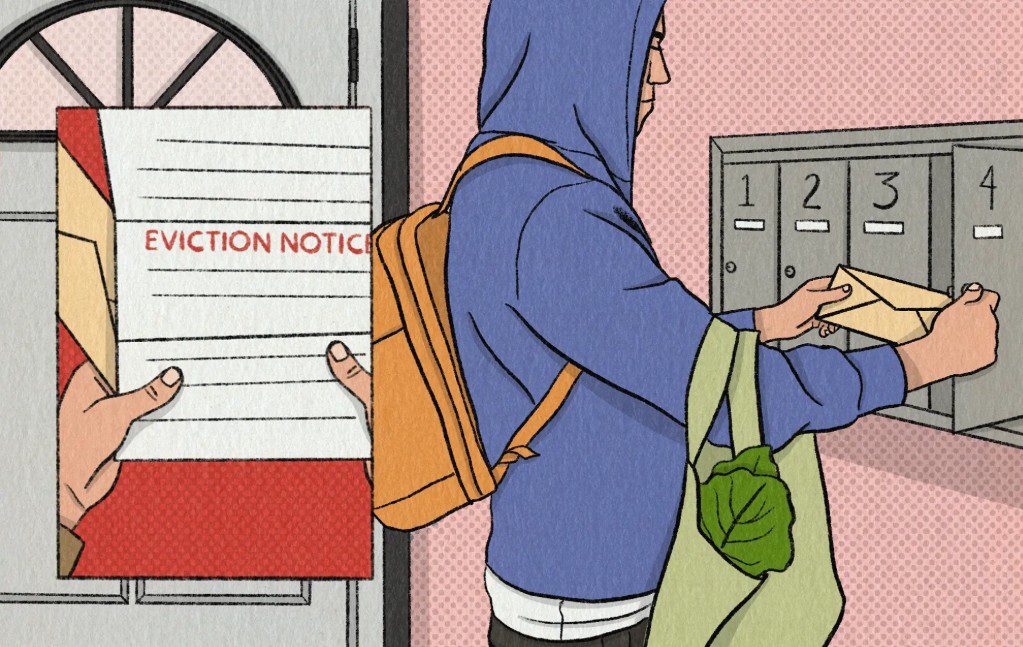
Are you a public housing resident behind on rent? Received an eviction notice? Here’s what to know in Maine.
ProPublica | C Willett
The consequence of an eviction from public housing for people in Maine is especially challenging because there are not enough affordable housing options in the rural state, and those evicted are more likely to face homelessness. Maine public housing authorities file a disproportionately high share of eviction cases compared with all landlords in the state, according to an analysis of court data obtained by the Bangor Daily News and ProPublica.
Lessons Learned Across Three Evaluations Incorporating Participant-Generated Photo Elicitation Interviewing
Physical activity and health-related quality of life after lung cancer surgery– cross-sectional analyses 3 and 12 months postoperatively
Re-assessing the spatial mismatch hypothesis
An Innovative Youth‐Friendly Electronic Questionnaire to Identify Mental, Sexual and Reproductive Health Risks: A Validation Study of the Total Teen Assessment
“I’m just a girl; not a white girl”: Early Adolescents Making Sense of Race and Gender Intersectionality and Identity
The effectiveness of Acceptance and Commitment Therapy on parental stress in parents of special children: a meta-analysis
Fighting the crime gangs taking over the UK high streets | BBC News
Exclusive: American company owner feigns trustee status in bid to control Scottish charity

TFN
OSCR has told an American company to stop misrepresenting itself as a Scottish Charity. It has since transpired that the owner of the company, Nicholas Gray, has been falsely representing himself as a trustee of registered charity the James Gray Nicol Trust.
Applying the Renger System Test (RST) to Determine Whether a System Evaluation Is Fit for Evaluating a Complex Intervention: A Case Example
Enhancing College Students’ Well-Being through an Online Mindfulness Intervention During the COVID-19 Pandemic: An Exploratory Study
Evidence that cannot be contained: The World Drug Report 2025 reveals the ongoing failure of the drug control regime
Associations between unconditional cash transfers and postpartum outcomes in the United States: A systematic review
Expansion and Deepening of Social Support Systems for Female Caregivers Who Attended a Group-Based HIV Prevention Programme in Soweto, South Africa
What we’ve learned in ten years about county lines drug dealing

The Conversation | ThomasDeco/Shutterstock
In 2015, police outside of London identified a pattern of more frequent arrests of young people and vulnerable adults, implicated in drug supply outside of their local areas. They were also frequently suspected to be associated with members of criminal gangs. Thus, “county lines” was born. The National Crime Agency used the term “county lines” to describe the phone or “deal” line used to organise the sale of drugs – mainly heroin and crack cocaine – from cities with oversaturated supplies, to rural, coastal areas with less supply.
Perceived posttraumatic growth: positive change occurring because of or despite the trauma?
The Challenge of Integrating Individual and Social Self-Identities Among Israeli Combat Veterans
The Contribution of Parenting to Adolescent Self-Compassion and Internalizing Problems: A Meta-Analytic Structural Equation Modeling Approach
An Examination of the Lived Experiences of College Student Mentors and Their Experiences of Flourishing in a Youth Mentoring Program
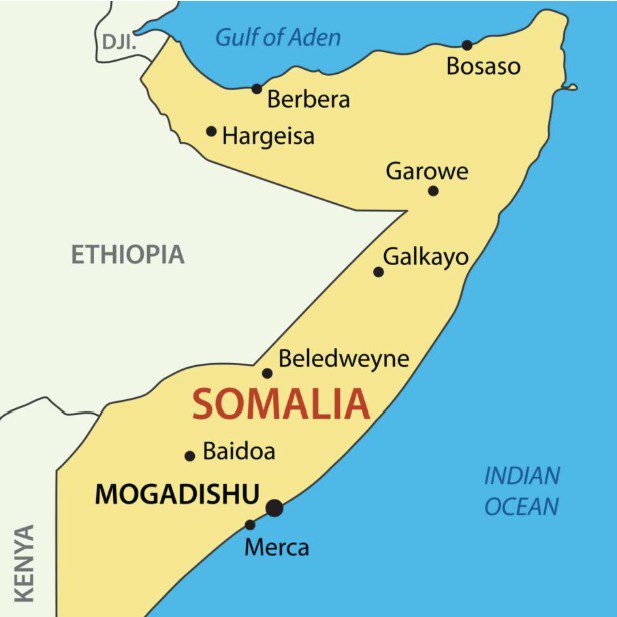
“Unseen and Unsafe”: street girls in Garowe are at risk
Puntland Post | Mappr
Every night, a covert crisis unfolds in the heart of Garowe’s market. Groups of street-connected children boys and girls alike gather in roadside booths, market corners, and abandoned buildings, seeking safety, shelter, and a way to survive. These children, some as young as ten, have been pushed to the margins of society by poverty, displacement, and domestic strife.