SU:SIS
Shannon’s research focuses on a key question: Why do vulnerable populations turn to libraries for help—and what does that mean for the future of the profession?
news, new scholarship & more from around the world
Shannon’s research focuses on a key question: Why do vulnerable populations turn to libraries for help—and what does that mean for the future of the profession?


Despite the hype, AI agents come loaded with caveats. Both Anthropic and OpenAI, for example, prescribe active human supervision to minimise errors and risks. OpenAI also says its ChatGPT agent is “high risk” due to potential for assisting in the creation of biological and chemical weapons. However, the company has not published the data behind this claim so it is difficult to judge.
Not that big of a concern. Moreover, won’t AI solve that as well.

Written communication, by contrast, allows for greater control, offering options like drafting, deleting and rewriting, postponing, and smoothing things over. It is easier to communicate effectively when you can first remain silent. The desire for control over time, words and emotions is not just a teenage whim. It reflects a broader way of navigating social relationships through screens, one in which every individual grants themselves the right to choose when, how, and how intensely to connect.

A Community Care poll of 1,286 votes found that most practitioners (62%) considered the outcome a ‘bad deal’, though opinion was split on where responsibility lay for this outcome. While 35% believed the unions should have balloted for strike action, 27% said union leaders were forced to settle because of member apathy. UNISON has reported that turnout in the consultative ballots was not high enough to trigger a formal strike vote.

The possible future of social welfare took center stage with the premiere of a new documentary from UBI Taiwan. The film, which played to a sold-out crowd, chronicles the life of a single mother, Ms. Yu, who received unconditional financial support for two years.

Chapin Hall Senior Policy Fellow & Chief Officer for the Illinois Children’s Behavioral Health Transformation Dr. Dana Weiner speaks at the signing of SB 1560.

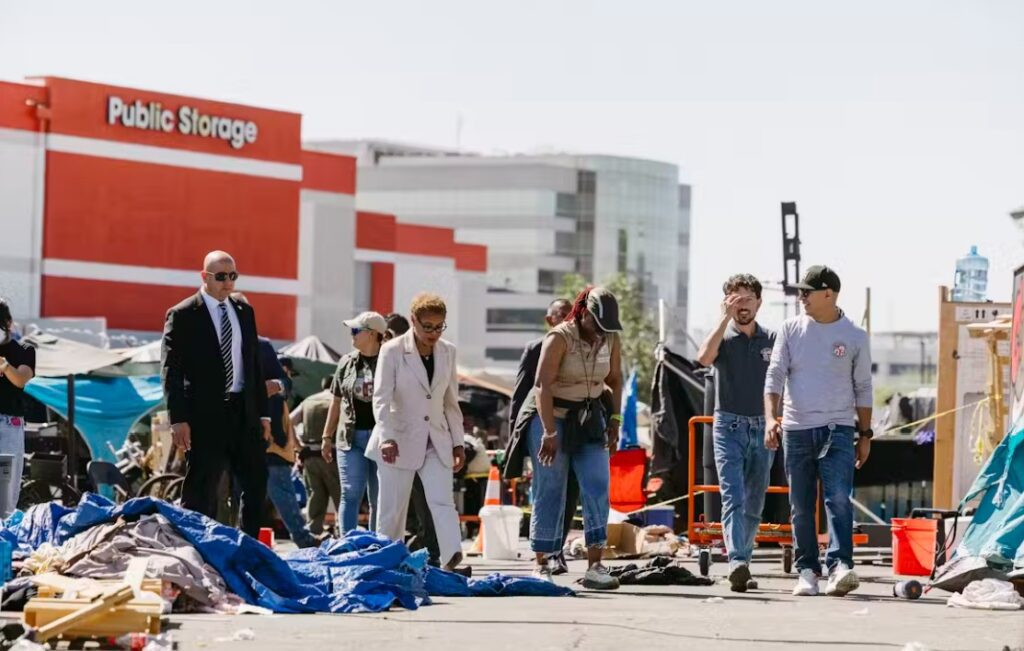
Research shows that arresting someone without a home for sitting, resting or sleeping in a public place does not reduce homelessness. Instead, encampment sweeps and camping bans typically displace people from one area to another, while discarding or destroying their personal belongings in the process, such as identification cards, medications and sleeping gear. This approach also wastes public resources by paying groups to throw away people’s belongings instead of investing that money into actual housing solutions, like creating more affordable housing options. Above: Los Angeles Mayor Karen Bass, MSW, visits the site of a city-led sweep of a homeless encampment
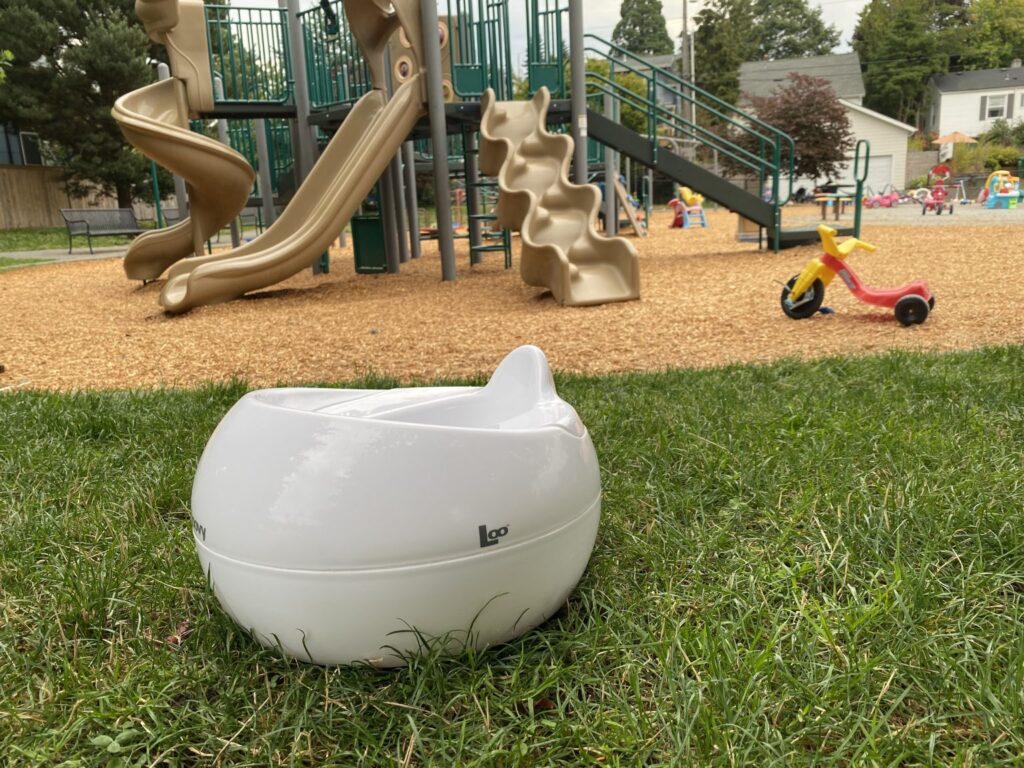
Taxing wealth to fund care infrastructure sends a clear message: none of us are on our own. We in Seattle are building a future for all of us. We are creating a city for our kids – all of them.